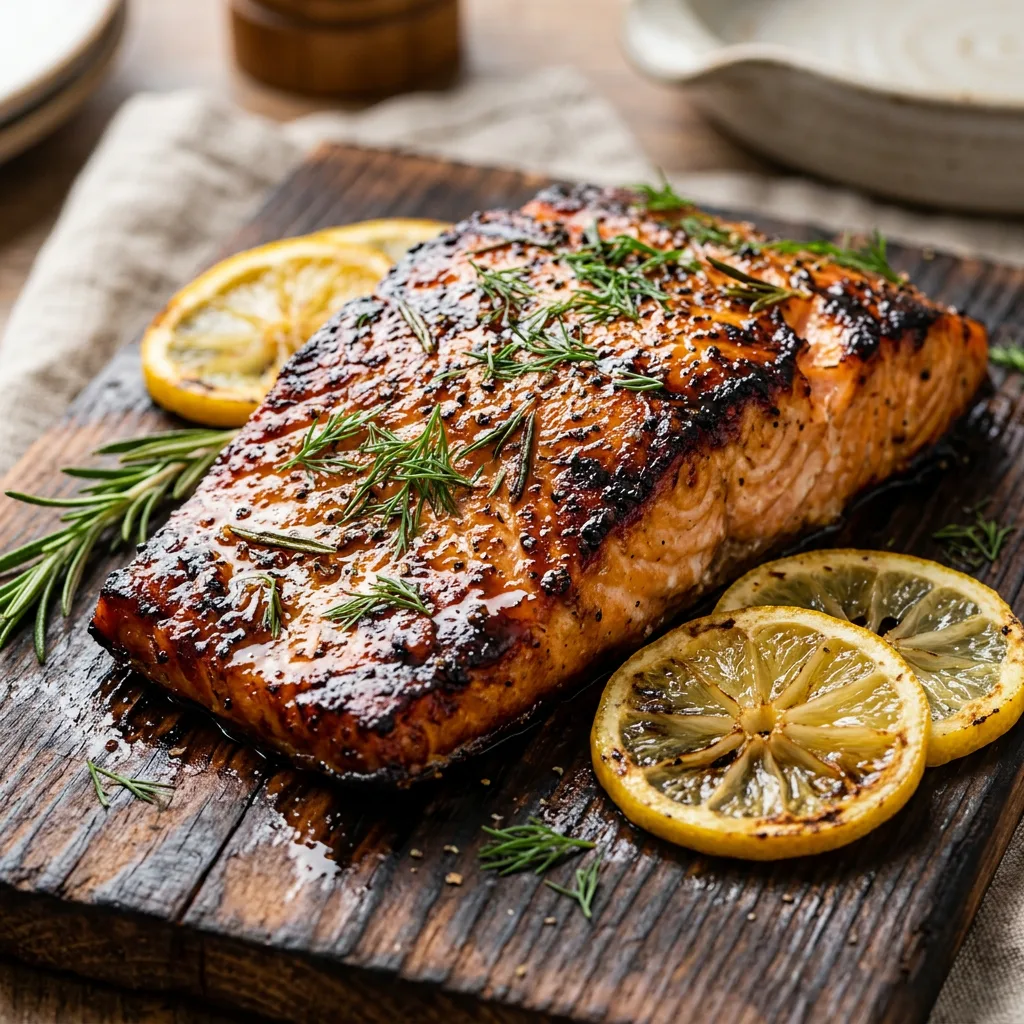
Cedar plank honey dijon salmon is an elegant grilled entrée that delivers restaurant-quality flavor with impressive visual presentation. This dish combines tender, flaky salmon fillets with a caramelized honey mustard glaze infused with fresh herbs and aromatics. The cedar plank cooking method imparts a subtle smokiness while keeping the fish moist and tender throughout the cooking process. Perfect for Father’s Day celebrations or any special occasion requiring an upscale yet approachable main course.
| Attribute | Details |
|---|---|
| Prep Time | 20 minutes |
| Cook Time | 15 minutes |
| Total Time | 95 minutes (includes soaking) |
| Servings | 4 |
| Difficulty | Easy to Intermediate |
| Cuisine | American, Contemporary |
Why This Recipe Works
I discovered the magic of cedar plank salmon cooking during a summer grilling season, and this preparation method transformed how I approach Father’s Day dinners. The cedar planks create a natural steam chamber that cooks salmon evenly while the wood imparts a delicate, smoky undertone that enhances rather than overwhelms the fish. The honey dijon glaze caramelizes beautifully on the grill, developing complex flavors through the maillard reaction.
The combination of dijon mustard’s tangy heat with honey’s natural sweetness creates a balanced sauce that complements the salmon’s rich, buttery texture. Fresh thyme and rosemary add herbaceous depth, while garlic and lemon zest brighten the entire flavor profile. This recipe works because it respects the quality of premium salmon fillets while building layers of complementary flavors that feel sophisticated yet simple enough for home cooks to master.
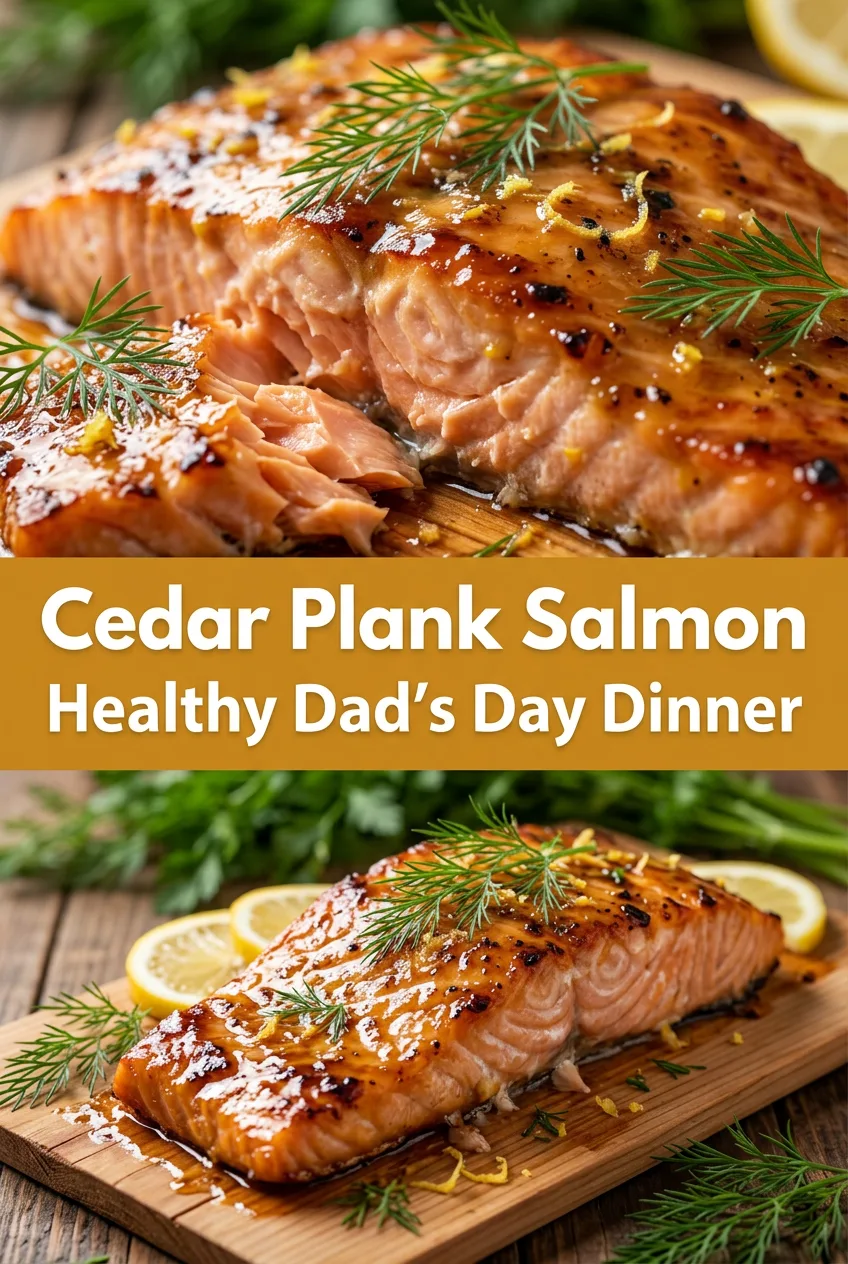
What I appreciate most is the minimal hands-on time required. Once the glaze is applied and the grill lid closes, the cooking happens automatically, leaving you free to prepare sides or entertain guests. The cedar plank method also prevents the fish from sticking or drying out, which are common grilling challenges with delicate proteins.
Ingredients
| Ingredient | Quantity | Notes and Alternatives |
|---|---|---|
| Cedar planks | 2 planks | Must be soaked for at least 1 hour. Choose untreated cedar without chemical finishes. Maple or oak planks work as alternatives but produce different flavor profiles. |
| Salmon fillets | 4 fillets (6 oz each) | Wild-caught Alaskan salmon offers superior flavor; farm-raised salmon works but has milder taste. Ensure skin-on for best texture and presentation. |
| Dijon mustard | 3 tablespoons | Whole grain dijon provides texture; yellow mustard creates milder flavor. Do not substitute spicy brown mustard without reducing quantity. |
| Honey | 2 tablespoons | Raw honey adds nutritional benefits; clover honey is mild and versatile. Substitute maple syrup for deeper, earthier sweetness. |
| Olive oil | 2 tablespoons | Extra virgin olive oil provides rich flavor and superior antioxidants. Light olive oil works if you prefer subtle taste. |
| Garlic cloves | 2 cloves, minced | Fresh garlic is essential; jarred garlic lacks potency and flavor complexity. Pre-minced garlic deteriorates quickly. |
| Fresh thyme | 1 tablespoon, chopped | Fresh herbs essential for vibrant flavor. Dried thyme requires half the quantity and lacks aromatic freshness. |
| Fresh rosemary | 1 tablespoon, chopped | Woody stems can be reserved for garnish. Dried rosemary becomes bitter when overheated on grill. |
| Lemon | 1 lemon, zested and sliced | Zest adds bright citrus oil; juice complements glaze. Lime can replace lemon for different citrus profile. |
| Salt | To taste | Kosher salt allows better control; table salt tastes more intense. Season judiciously as dijon mustard adds salt. |
| Black pepper | To taste | Freshly ground pepper delivers superior flavor. Pre-ground pepper loses aromatic compounds quickly. |
| Fresh dill | For garnish | Adds fresh herbal finish and visual appeal. Parsley or cilantro work as garnish alternatives. |
Step-by-Step Instructions
Prepare the Cedar Planks
- Soak two cedar planks in water for at least one hour before grilling to prevent charring and enhance smoking.
- Remove planks from water and pat dry with paper towels just before placing on the grill.
- Position planks directly on the grill grate away from direct flame to prevent excessive charring.
Create the Honey Dijon Glaze
- Whisk together three tablespoons of dijon mustard in a small bowl with two tablespoons of honey until fully combined.
- Add two tablespoons of extra virgin olive oil to the mustard-honey mixture and whisk until emulsified.
- Mince two fresh garlic cloves finely and add to the glaze, stirring thoroughly to distribute evenly.
- Chop one tablespoon of fresh thyme leaves and one tablespoon of fresh rosemary and fold into the glaze mixture.
- Zest one lemon directly into the glaze and stir to combine all ingredients, creating a smooth, cohesive sauce.
Prepare the Salmon
- Pat four salmon fillets dry with paper towels to ensure the glaze adheres properly during cooking.
- Season each salmon fillet lightly with kosher salt and freshly ground black pepper on both sides.
- Brush the honey dijon glaze generously over the top and sides of each salmon fillet, reserving a small amount for finishing.
- Slice the zested lemon into thin rounds for plating and flavor enhancement during cooking.
Grill the Salmon
- Preheat the grill to 400 degrees Fahrenheit, ensuring the temperature stabilizes before cooking begins.
- Place the soaked cedar planks directly on the preheated grill grate and close the grill lid for two minutes to allow the planks to heat through and begin smoking.
- Arrange two salmon fillets skin-side down on each cedar plank, spacing them apart for even heat circulation.
- Distribute reserved lemon slices around the salmon on the planks for aromatics and presentation.
- Close the grill lid completely and cook for twelve to fifteen minutes without opening, allowing the cedar smoke to infuse the fish.
- Check for doneness by gently pressing the thickest part of a salmon fillet; the flesh should flake easily with light pressure and appear opaque throughout.
- Verify the honey dijon glaze has caramelized to a light golden brown, indicating proper cooking and flavor development.
Finish and Serve
- Remove the cedar planks carefully from the grill using heat-resistant gloves or tongs.
- Sprinkle fresh dill generously over each salmon fillet while still warm to add aromatic finishing and visual appeal.
- Serve the salmon directly on the cedar planks for dramatic presentation at the table.
Chef Tips for Perfect Results
- Use an instant-read thermometer to verify internal salmon temperature reaches 145 degrees Fahrenheit at the thickest point, ensuring food safety without overcooking the delicate flesh.
- Soak cedar planks for the full hour to prevent charring; submerging them completely under water ensures even moisture absorption throughout the wood.
- Brush the glaze on salmon after placing it on the planks rather than before to prevent the herbs from burning during the grill placement process.
- Keep the grill lid closed during cooking to trap cedar smoke and maintain consistent heat, which prevents temperature fluctuations that dry out salmon.
- Reserve lemon slices for plating rather than burning them on the grill; fresh lemon adds brightness and visual contrast to the finished dish.
- Purchase salmon fillets of uniform thickness to ensure even cooking times across all four pieces without some drying before others finish cooking.
Common Mistakes to Avoid
The most common error is insufficient cedar plank soaking time, which causes the wood to ignite rather than smoke gently during cooking. Fix this by submerging planks completely in water at least ninety minutes before grilling. Perform a quick water absorption test by pressing the wood with your finger; properly soaked planks should feel moist throughout rather than dry on the surface.
Another frequent mistake involves opening the grill lid repeatedly during cooking, which releases heat and cedar smoke that would otherwise cook and flavor the salmon evenly. The solution requires discipline to resist checking on the fish until the minimum cooking time of twelve minutes has elapsed. Trust the grill temperature and timer rather than visual checks that interrupt the cooking environment.
Overcooking salmon represents the third major pitfall, as fish continues cooking from residual heat even after removal from the grill. Prevent this by removing salmon when it reaches 140 degrees Fahrenheit internally, allowing carryover cooking to reach the safe 145-degree target. An instant-read thermometer eliminates guesswork and prevents the dry, flaky texture that results from overcooking this delicate protein.
Applying the honey dijon glaze before placing salmon on the planks causes the fresh herbs to burn and turn bitter during placement and initial heating. Instead, brush the glaze after positioning salmon on the cedar planks to preserve the herbaceous flavors that define this dish’s character.
Finally, failing to pat salmon fillets dry before seasoning prevents proper glaze adhesion and creates steam that prevents caramelization of the honey dijon coating. Use paper towels to remove surface moisture, allowing the glaze to cling to the fish and develop the desirable caramelized texture during grilling.
Variations and Substitutions
| Ingredient | Substitution | Impact on Flavor |
|---|---|---|
| Dijon mustard | Whole grain mustard | Adds texture and slightly earthier flavor; creates visible seed specks on finished salmon. |
| Honey | Maple syrup | Deepens sweetness with earthy undertones; creates darker caramelization on glaze. |
| Fresh thyme and rosemary | Fresh oregano and basil | Shifts from Mediterranean herbaceous to Italian aromatic profile; lighter and brighter flavor. |
| Lemon zest | Orange zest | Adds warmer citrus notes with subtle sweetness; reduces tartness of dijon mustard. |
| Cedar planks | Maple or alder planks | Cedar provides mild smoke; maple adds sweet nuttiness; alder creates stronger, more pronounced smoke flavor. |
| Extra virgin olive oil | Avocado oil | Creates lighter glaze with neutral flavor; allows mustard and honey to dominate taste profile. |
| Fresh dill garnish | Fresh parsley or chives | Parsley adds mild herbaceous finish; chives introduce subtle onion notes and thinner texture. |
| Salmon fillets | Trout or halibut fillets | Trout maintains similar richness with firmer texture; halibut becomes flakier with milder flavor profile. |
Serving Suggestions and Pairings
Cedar plank honey dijon salmon pairs beautifully with bright, refreshing side dishes that complement its rich, caramelized glaze. Serve alongside the Summer Salad Ideas: Watermelon Feta Mint Salad for a Father’s Day meal that balances flavors and textures perfectly. The cool, crisp watermelon and mint provide textural contrast to the warm, glazed salmon while the feta adds subtle saltiness.
For a traditional pairing, serve cedar plank salmon with grilled asparagus seasoned with garlic and lemon, allowing the vegetable’s natural earthiness to ground the sweet-savory glaze. Roasted fingerling potatoes with rosemary complete the plate with a satisfying starch that absorbs the honey dijon glaze beautifully. For lighter accompaniment, consider a quinoa pilaf with fresh herbs and roasted vegetables that aligns with modern nutritional guidelines from 5 A Day.
Wine pairing elevates the Father’s Day dining experience significantly. A crisp Sauvignon Blanc with citrus notes complements the lemon zest and fresh herbs in the glaze, while a light Pinot Noir echoes the salmon’s richness without overwhelming delicate fish flavors. For non-alcoholic options, serve sparkling lemonade infused with fresh thyme or a cucumber mint cooler that mirrors the herbaceous elements of the dish.
This recipe works exceptionally well for intimate Father’s Day gatherings, summer entertaining, or milestone birthday celebrations where you want to impress without spending hours in the kitchen. The cedar plank presentation creates drama on the table, making each diner feel celebrated. For similar grilled preparations, try our Healthy Grilling Recipes: Turmeric Salmon Skewers that offer alternative flavoring while maintaining the grilled salmon excellence.
Complement your main course with the Juneteenth Recipes: Black-Eyed Pea Collard Salad for a complete meal with Southern charm and nutritional depth. The hearty greens and legumes provide substance while respecting the salmon’s elegance and delicate preparation method.
Storage and Reheating
| Method | Duration | Instructions |
|---|---|---|
| Refrigerator Storage | Up to 3 days | Transfer cooled salmon to an airtight container lined with parchment paper to prevent sticking. Store in the coldest section of your refrigerator away from other foods to prevent odor transfer. |
| Freezer Storage | Up to 2 months | Wrap each salmon fillet individually in plastic wrap, then place in a freezer-safe container with parchment paper between layers. Label with date and contents for easy identification. |
| Gentle Oven Reheating | 8-10 minutes | Preheat oven to 275 degrees Fahrenheit. Place salmon on a baking sheet lined with parchment paper. Cover loosely with foil to prevent drying. Heat until warmed through, approximately 145 degrees internally. Avoid covering tightly, which traps steam and makes salmon mushy. |
| Microwave Reheating | 2-3 minutes | Place salmon on a microwave-safe plate and cover with a damp paper towel. Microwave at 50% power in 30-second intervals, checking for doneness between intervals. This gentler approach prevents overheating the delicate fish. |
| Cold Serving | No reheating required | Serve chilled salmon directly from refrigerator as a salad component or appetizer. The caramelized honey dijon glaze remains flavorful and pairs excellently with light dressings and fresh greens for the next day’s lunch. |
Nutritional Information
Approximate values per serving (one 6 oz salmon fillet with glaze). These estimates are based on standard USDA database values and may vary depending on specific ingredient brands and preparation methods.
| Nutrient | Amount per Serving |
|---|---|
| Calories | 385 |
| Protein | 36 grams |
| Total Fat | 18 grams |
| Saturated Fat | 4 grams |
| Carbohydrates | 12 grams |
| Dietary Fiber | 0 grams |
| Sugar | 8 grams |
| Sodium | 520 milligrams |
| Omega-3 Fatty Acids | 2.2 grams |
Cedar plank honey dijon salmon provides exceptional nutritional value, delivering high-quality protein essential for muscle maintenance and recovery. The omega-3 fatty acids present in salmon support heart health and cognitive function, making this dish as nourishing as it is delicious. The Olive Oil Benefits include monounsaturated fats that contribute to cardiovascular wellness while the fresh herbs add antioxidants without significant caloric contribution. This meal satisfies nutritional requirements while delivering restaurant-quality satisfaction.
Frequently Asked Questions
Can I use frozen salmon for cedar plank honey dijon salmon?
Yes, frozen salmon works effectively if properly thawed in the refrigerator overnight before cooking. Thawed salmon cooks evenly and absorbs the honey dijon glaze as effectively as fresh fish. Never cook frozen salmon directly on the cedar plank, as the exterior will cook before the interior reaches proper temperature, resulting in overcooked edges and undercooked centers. Thawing salmon completely ensures the caramelized glaze develops properly during the 12-15 minute grilling time.
How do I know when cedar plank salmon is done cooking?
The most reliable method involves using an instant-read thermometer to verify the internal temperature reaches 145 degrees Fahrenheit at the thickest point of the salmon. Additionally, properly cooked salmon flakes easily with a fork and appears opaque rather than translucent throughout. The honey dijon glaze should caramelize to a light golden brown, indicating proper cooking and flavor development. Visual doneness checks without temperature verification risk undercooking or overcooking this delicate protein.
What should I do if the cedar plank starts charring during cooking?
Charring occurs when cedar planks haven’t soaked sufficiently or when grill temperature exceeds 400 degrees Fahrenheit significantly. Move the cedar planks further from direct heat sources immediately if charring begins, shifting them to the cooler zone of the grill. Some light browning of the cedar plank is normal and desirable, creating the smoke that flavors the salmon; however, active flames or excessive blackening indicates temperature control issues. Monitor plank appearance closely and adjust grill zone positioning as needed to prevent excessive charring.
Can I prepare the honey dijon glaze ahead of time for Father’s Day dinner?
The glaze can be prepared up to two hours before grilling and stored in an airtight container at room temperature. Prepare the dijon mustard, honey, olive oil, garlic, and herbs together, but add the lemon zest just before brushing on salmon to preserve citrus brightness and aromatic oils. The glaze should not be refrigerated, as cold temperatures solidify the olive oil slightly and make brushing more difficult. Allowing the glaze to remain at room temperature ensures smooth, even application to salmon fillets.
How many cedar planks do I need for serving cedar plank salmon to different group sizes?
This recipe uses two cedar planks to accommodate four 6-ounce salmon fillets, with two fillets per plank arranged with adequate spacing for heat circulation. For eight servings, use four soaked cedar planks on your grill, maintaining the same spacing and cooking time. For two servings, use one cedar plank with two smaller salmon fillets, reducing total cooking time slightly to 10-12 minutes. Ensure adequate grill space to avoid crowding planks, which impedes smoke circulation and creates uneven cooking results.
Conclusion
Cedar plank honey dijon salmon represents the perfect Father’s Day dinner solution, combining elegant presentation with impressive flavor and minimal complexity. This grilled entrée delivers restaurant-quality results using straightforward techniques and readily available ingredients that any home cook can master. The honey dijon glaze caramelizes beautifully on the grill, creating a sweet-savory coating that elevates premium salmon fillets with herbaceous depth and citrus brightness. Serve this exceptional dish confidently, knowing it will impress any father or special guest while requiring only minutes of active preparation.

Father's Day Dinner Ideas: Cedar Plank Honey Dijon Salmon
Ingredients
Method
- Soak cedar planks in water for at least one hour before grilling
- Remove planks from water and pat dry with paper towels just before placing on grill
- Position planks directly on grill grate away from direct flame
- Whisk together dijon mustard, honey, olive oil, minced garlic, thyme, rosemary, and lemon zest in a small bowl
- Brush the honey dijon glaze generously over salmon fillets
- Pat salmon dry and season lightly with kosher salt and black pepper
- Preheat grill to 400 degrees Fahrenheit
- Place soaked cedar planks on preheated grill and close lid for 2 minutes
- Arrange two salmon fillets skin-side down on each cedar plank
- Distribute lemon slices around salmon on planks
- Close grill lid completely and cook for 12-15 minutes without opening
- Check doneness by pressing thickest part of salmon; flesh should flake easily and appear opaque
- Verify honey dijon glaze has caramelized to light golden brown
- Remove cedar planks from grill using heat-resistant gloves
- Sprinkle fresh dill over salmon while still warm
- Serve salmon directly on cedar planks for dramatic presentation