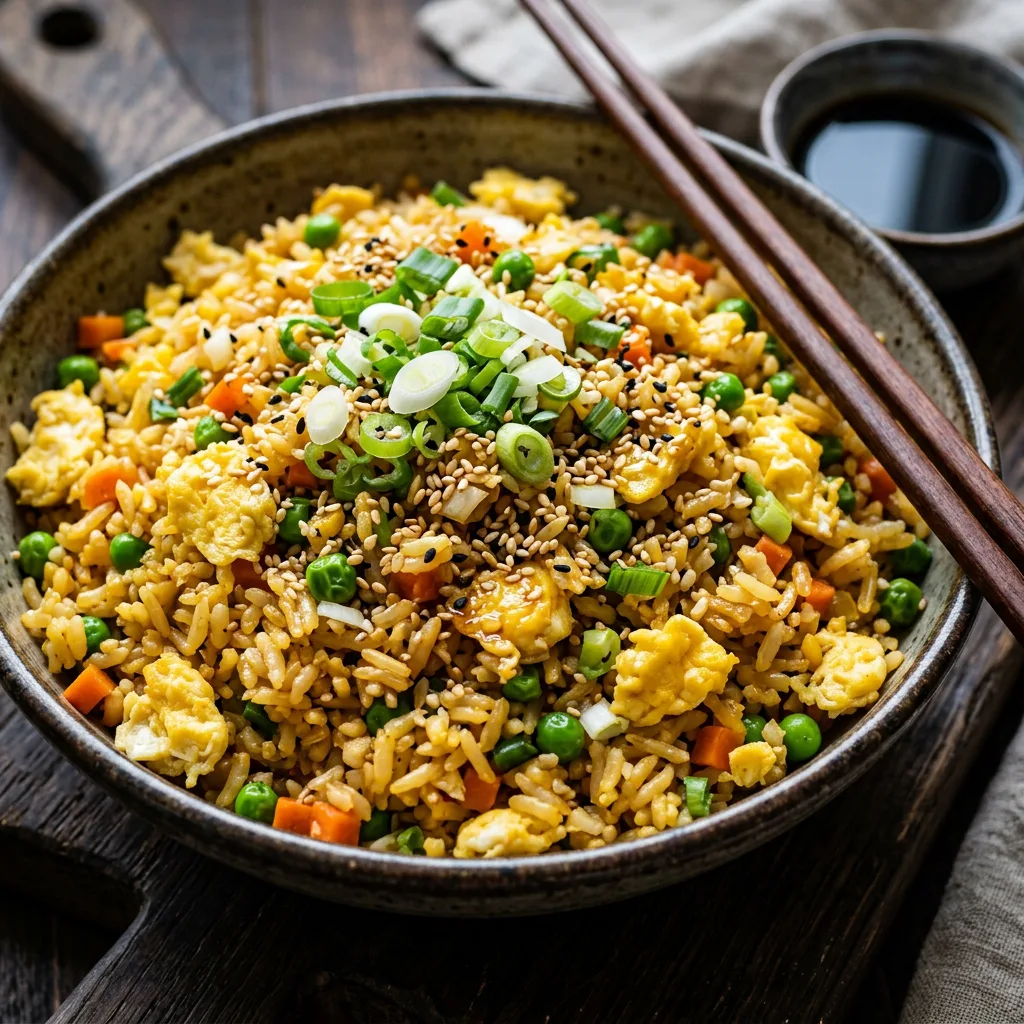
This high-protein meal prep fried rice delivers complete nutrition in under ten minutes using eggs, brown rice, and hormone-supporting vegetables. A quick stir-fry method locks in crispy texture while preserving nutrient density for sustained energy throughout your day. Perfect for batch cooking, this dish reheats beautifully and fuels active lifestyles with balanced macronutrients.
| Metric | Value |
|---|---|
| Prep Time | 5 minutes |
| Cook Time | 10 minutes |
| Total Time | 15 minutes |
| Servings | 4 |
| Difficulty | Easy |
| Cuisine | Asian-Fusion |
Why This Recipe Works
I developed this hormone-balancing fried rice specifically for busy professionals who need nutrition without complexity. The combination of complete protein from eggs, complex carbohydrates from brown rice, and phytonutrients from peas creates hormonal equilibrium. High heat cooking preserves enzyme activity while the sesame oil provides lignans that support endocrine function.
The ten-minute timeframe eliminates excuse-making around meal prep while delivering restaurant-quality texture. Cold rice is essential because it prevents mushiness and creates separated grains that fry properly. According to How To Cook Egg Fried Rice, pressing rice flat against hot surfaces creates slight crispiness that elevates entire dish quality.
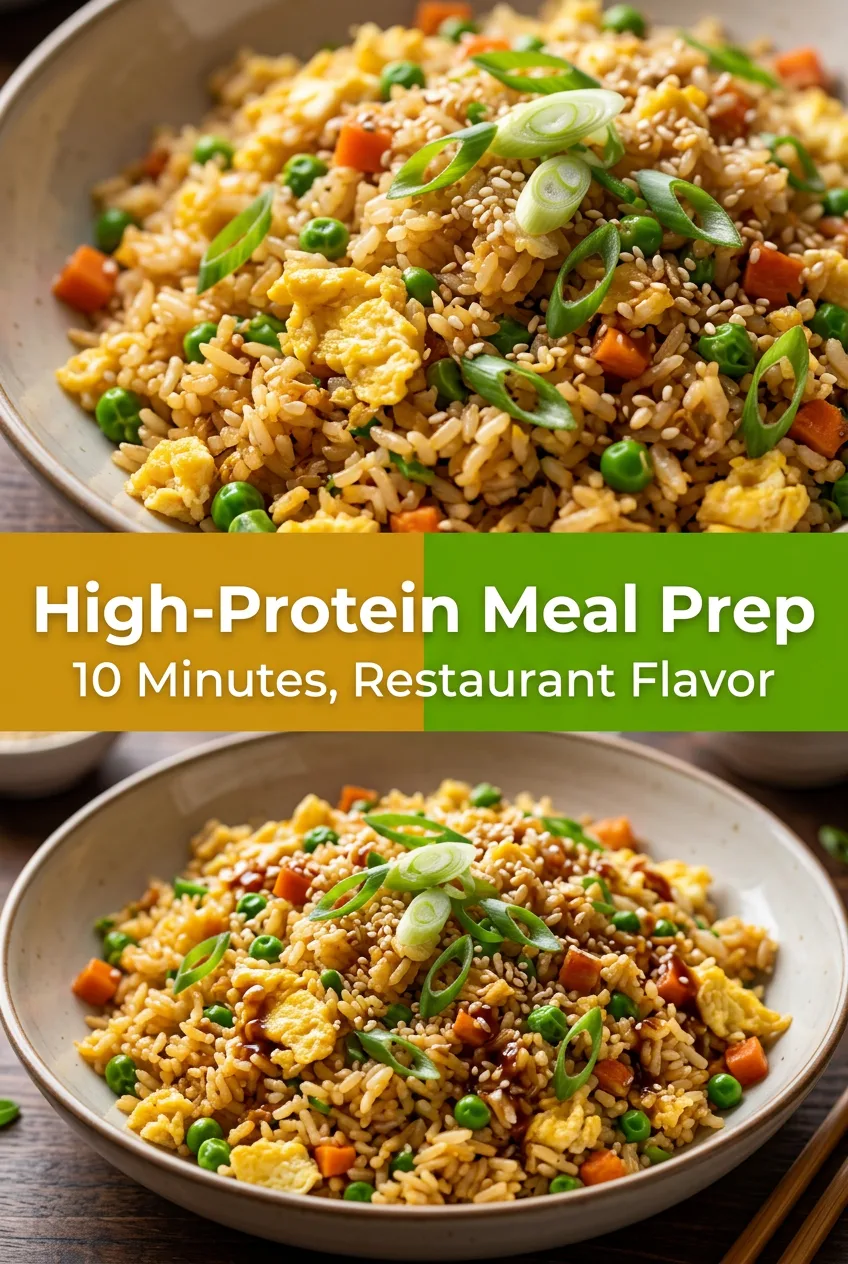
Fresh ginger and garlic activate digestive enzymes while soy sauce provides umami depth that satisfies without excess calories. This recipe pairs beautifully with other nutrient-dense meals like Healthy Dinner Idea: Chicken Parmesan Stuffed Zucchini Boats, creating a comprehensive weekly meal plan.
Ingredients
| Ingredient | Quantity | Notes and Alternatives |
|---|---|---|
| Cold cooked brown or white rice | 3 cups | Brown rice preferred for fiber; white rice acceptable for lighter texture. Day-old refrigerated rice prevents clumping. |
| Large eggs | 4 | Lightly beaten. Pasture-raised eggs contain higher omega-3s. Use room temperature for faster cooking. |
| Frozen peas and carrots | 1 cup | Thawed before use. Fresh vegetables acceptable but may release excess moisture. Corn or broccoli work as substitutes. |
| Green onions | 3 | Sliced. Use white and green parts separately for layered flavor. Cilantro optional for additional freshness. |
| Garlic cloves | 3 | Minced. Fresh garlic mandatory for hormone-supporting allicin content. Pre-minced garlic loses potency. |
| Fresh ginger | 1 tsp | Grated. Provides gingerol compounds that reduce inflammation. Ginger powder acceptable but use half quantity. |
| Low-sodium soy sauce | 3 tbsp | Reduces blood pressure impact. Tamari suitable for gluten-free requirements. Coconut aminos acceptable. |
| Sesame oil | 1 tbsp | Dark sesame oil preferred for toasted flavor. Essential for lignans that support hormone metabolism. |
| Oyster sauce | 1 tbsp | Optional. Adds umami depth without additional salt. Hoisin sauce alternative for different flavor profile. |
| Rice vinegar | 1 tsp | Balances saltiness and aids digestion. White vinegar acceptable but use less due to stronger acidity. |
| White pepper | 1/2 tsp | Milder than black pepper. Black pepper acceptable if white unavailable. Use freshly ground for maximum potency. |
| Vegetable oil | 2 tbsp | High-smoke-point oil essential for wok cooking. Avocado oil or peanut oil acceptable alternatives. See Olive Oil Vs Vegetable Oil for oil selection guidance. |
| Butter | 1 tbsp | Grass-fed butter preferred for higher butyric acid content. Supports gut health and hormone metabolism. |
| Sesame seeds | For garnish | Black or white varieties both acceptable. Adds nutty flavor and lignans for hormone balance. |
| Extra green onions | For topping | Fresh garnish adds onion bite and allium compounds. Use immediately before serving for maximum crunch. |
Step-by-Step Instructions
Prepare Your Ingredients (Mise en Place)
- Measure three cups cold cooked brown or white rice into a bowl, breaking apart any clumps with a fork before cooking begins.
- Lightly beat four large eggs in a separate bowl until yolks and whites combine uniformly without over-whisking.
- Thaw one cup frozen peas and carrots completely under cool running water, then drain excess moisture with paper towels.
- Slice three green onions, separating white parts from green parts into two distinct piles for staggered addition.
- Mince three garlic cloves finely using a sharp knife or microplane, then grate one teaspoon fresh ginger directly into a small bowl.
Heat Your Wok and Cook Aromatics
- Heat vegetable oil in a wok or large non-stick skillet over very high heat for exactly 60 seconds until shimmering appears.
- Add one tablespoon butter, minced garlic, and grated ginger to the hot oil, sautéing for 30 seconds until fragrant without browning.
Cook and Scramble Eggs
- Push all aromatics to the side of the wok or skillet, creating an empty space in the center for egg cooking.
- Pour beaten eggs into the empty space and scramble for exactly 60 seconds using a spatula until just set through, breaking into small bite-sized pieces.
Crisp the Rice
- Add cold rice to the wok, pressing it flat against the hot surface without stirring for exactly one minute to develop slight crispiness.
- Stir-fry rice with scrambled eggs and aromatics together for two minutes, breaking apart any remaining clumps while coating everything evenly.
Finish With Vegetables and Sauce
- Add thawed peas and carrots to the wok, tossing continuously for 30 seconds until heated through.
- Drizzle three tablespoons low-sodium soy sauce, one tablespoon oyster sauce (if using), one teaspoon rice vinegar, and one tablespoon sesame oil over the rice mixture.
- Toss everything together for one final minute until vegetables, rice, and sauce coat evenly and become fragrant.
- Add white pepper, tasting and adjusting seasoning before transferring to serving bowls.
- Top with sesame seeds and reserved green onion tops immediately before serving to maximize freshness and crunch.
Chef Tips for Perfect Results
- Use day-old rice stored in the refrigerator for optimal results. Cold rice separates properly and won’t stick together, creating individual grains rather than a mushy paste.
- Never wash cooked rice before fried rice preparation. The surface starch layer is essential for texture and prevents sticking during high-heat cooking.
- Press rice flat against the wok surface for exactly one minute without stirring to develop subtle crispiness that elevates texture significantly.
- Keep all ingredients prepped and arranged within arm’s reach before starting to cook, as the entire cooking process completes in ten minutes total.
- Scramble eggs only until just set, roughly 60 seconds, because overcooking creates rubbery texture that degrades the final dish quality.
- Add sesame oil as a finishing touch rather than a cooking medium. High heat damages delicate sesame oils, destroying their nutritional benefits and flavor profile.
Common Mistakes to Avoid
Using warm or room-temperature rice ruins fried rice because residual moisture causes clumping rather than separation. The starch in warm rice absorbs liquid differently than cold rice does. Always refrigerate cooked rice for at least two hours before using, or prepare rice the night before cooking.
Overcrowding the wok prevents proper heat distribution and creates steam rather than stir-frying. This moisture-laden environment produces soft rice instead of the desired light, crispy texture. Cook in batches if necessary, working with the three-cup rice amount in a properly-sized 12-14 inch wok.
Stirring constantly during the initial pressing phase destroys the crispy exterior formation. The crust develops only through direct contact with hot metal surfaces, requiring one full minute of undisturbed cooking. Patience during this single minute transforms entire dish texture and elevates perceived quality significantly.
Adding soy sauce too early burns the salt into the rice before vegetables soften properly. Always add liquid seasonings during the final minute of cooking when all solids are already cooked through. This timing prevents harsh, burnt flavors while allowing sauces to coat evenly.
Neglecting to thaw frozen vegetables before cooking introduces excess ice that steams rather than cooks vegetables properly. Thawed vegetables warm through in 30 seconds, while frozen vegetables release water that dampens the entire dish. Pat thawed vegetables dry with paper towels before adding to remove any excess moisture completely.
Variations and Substitutions
| Ingredient | Substitution | Impact on Flavor |
|---|---|---|
| Eggs | Tofu scramble or chickpeas | Reduces protein slightly; adds plant-based option. Tofu absorbs sauce flavors more effectively. |
| Brown rice | Cauliflower rice or quinoa | Reduces carbohydrates significantly. Cauliflower rice cooks faster; quinoa adds herbaceous notes. |
| Vegetable oil | Peanut or avocado oil | Peanut oil adds nutty undertones; avocado oil offers neutral taste. Both maintain high smoke points. |
| Sesame oil | Walnut or flaxseed oil | Walnut oil provides earthier notes; flaxseed adds subtle bitterness. Both support hormone health similarly. |
| Soy sauce | Tamari or coconut aminos | Tamari offers gluten-free option with similar umami depth. Coconut aminos provide sweeter, lighter flavor. |
| Peas and carrots | Broccoli, snap peas, or mushrooms | Broccoli adds cruciferous benefits; mushrooms deepen umami. Each provides different texture and nutrient profile. |
| Fresh ginger | Ginger powder or ginger paste | Powder uses half quantity; less pungent. Paste offers convenience; concentrated flavor requires careful measuring. |
| Oyster sauce | Hoisin or fish sauce | Hoisin adds sweetness and spice; fish sauce intensifies umami. Both create distinctly different flavor profiles. |
Serving Suggestions and Pairings
Serve hormone-balancing fried rice immediately after cooking as a standalone meal or pair with Asian-inspired proteins. Grilled salmon fillets complement the sesame oil notes beautifully while providing additional omega-3 fatty acids that support hormonal function. Steamed edamame alongside the fried rice adds plant-based protein and estrogen-modulating isoflavones.
This meal prep dish works perfectly for lunch containers throughout the week, reheating beautifully in office microwave settings. Pair with cucumber salad dressed in rice vinegar and a touch of sesame oil for light, refreshing complementary flavors. Serve alongside miso soup to create an authentic Asian-inspired lunch that satisfies completely.
For breakfast applications, top hormone-balancing fried rice with a sunny-side egg and sriracha sauce for spicy kick. Pair with green tea to maximize antioxidant absorption and support metabolic function throughout morning hours. Consider this recipe as complement to other high-protein breakfast options like Mother’s Day Brunch: Healthy Banana Oatmeal Pancakes for varied weekly rotation.
Dinner presentations shine when fried rice accompanies grilled proteins like High-Protein Dinners: Creamy Baked Caesar Chicken Thighs for complete macronutrient balance. Add fresh lime wedges and Thai chili sauce for brightness and gentle heat that awakens palate without overwhelming subtle dish flavors. Serve in bowls with chopsticks for authentic Asian dining experience.
Storage and Reheating
| Method | Duration | Instructions |
|---|---|---|
| Refrigerator | 4 days | Cool completely, transfer to airtight glass containers, store at 40°F or below. Keep separate from raw foods on bottom shelf. |
| Freezer | 3 months | Cool completely, portion into freezer-safe containers or bags, label with date. Thaw overnight in refrigerator before reheating. |
| Microwave reheating | 1-2 minutes | Transfer portion to microwave-safe container, add 1-2 tablespoons water to restore moisture, cover loosely, heat at 50% power stirring halfway through. |
| Stovetop reheating | 3-4 minutes | Heat wok or skillet over medium-high heat, add rice portion with 1 tablespoon water, stir continuously until heated through and separated. |
| Prevent drying | Always | Add water or broth when reheating to restore moisture lost during cooling. Never reheat without liquid addition to prevent hard, dry texture. |
Nutritional Information
Approximate values per serving (assumes 4 servings total):
| Nutrient | Amount per Serving |
|---|---|
| Calories | 385 |
| Protein | 12 grams |
| Fat | 14 grams |
| Saturated Fat | 4 grams |
| Carbohydrates | 48 grams |
| Fiber | 3 grams |
| Sugar | 2 grams |
| Sodium | 720 mg |
This recipe delivers complete macronutrient balance supporting stable blood sugar and hormone regulation. Protein content sustains satiety through lunch or dinner hours while complex carbohydrates provide sustained energy. Healthy fats from sesame oil and butter support fat-soluble vitamin absorption and maintain cellular hormone function properly.
Frequently Asked Questions
Can I prepare high-protein meal prep fried rice ahead of time for the entire week?
Yes, this meal prep fried rice stores beautifully for four days refrigerated or three months frozen in airtight containers. Portion into individual containers immediately after cooling to the touch for grab-and-go convenience throughout busy weeks. Reheat using the stovetop method for best texture restoration rather than microwave reheating which can dry rice excessively.
How do I know when the eggs are cooked properly without becoming rubbery?
Scramble eggs for exactly 60 seconds using a spatula to break them into small, bite-sized pieces while checking for slightly wet surface that becomes fully set as you stir. The residual heat from the wok continues cooking eggs after you stop stirring, so remove from direct heat when pieces still appear slightly moist. Overcooked eggs become tough and chewy, ruining the entire dish texture despite perfect rice preparation.
What causes fried rice to become mushy instead of light and separated?
Warm rice contains residual moisture that steams together during cooking rather than separating into individual grains when exposed to high heat. Always use cold rice refrigerated for at least two hours or prepared the night before cooking to remove all surface moisture. Additionally, avoid stirring during the first pressing minute, as this releases starch and creates the gluey consistency that makes fried rice mushy.
Can I make this recipe ahead without cooking it completely until mealtime?
Yes, prepare all ingredients in advance by mincing garlic, grating ginger, slicing green onions, and measuring liquids into small bowls hours before cooking. Keep rice refrigerated and vegetables thawed but separate from moisture until cooking begins. When mealtime arrives, the actual cooking process completes in exactly ten minutes from heat application to plating, making this ideal for meal prep systems requiring minimal cooking time.
Does this hormone-balancing fried rice work for different dietary restrictions like vegan or gluten-free?
Replace eggs with tofu scramble or chickpeas to create vegan-friendly protein while maintaining complete macronutrient balance and meal prep convenience. Substitute tamari or coconut aminos for soy sauce to eliminate gluten while preserving umami depth and savory flavor profile. Use vegetable broth instead of oyster sauce if avoiding animal products completely while keeping all other cooking methods and timing identical.
Conclusion
This high-protein meal prep fried rice delivers complete nutrition, hormone support, and restaurant-quality texture in exactly ten minutes. The combination of eggs, brown rice, and phytonutrient-dense vegetables creates balanced macronutrients sustaining energy throughout busy days. Master this technique and enjoy crispy, fragrant fried rice that reheats beautifully throughout the week, transforming meal prep from chore into effortless ritual.

High-Protein Meal Prep: Easy 10-Minute Hormone-Balancing Fried Rice
Ingredients
Method
- Heat vegetable oil in a wok or large non-stick skillet over very high heat for 60 seconds until shimmering.
- Add butter, minced garlic, and grated ginger to hot oil, sautéing for 30 seconds until fragrant.
- Push aromatics to side of wok, pour beaten eggs into empty space, scramble for 60 seconds until just set, breaking into pieces.
- Add cold rice to wok, pressing flat against hot surface without stirring for 1 minute to develop crispiness.
- Stir-fry rice with eggs and aromatics together for 2 minutes, breaking apart clumps and coating evenly.
- Add thawed peas and carrots, tossing for 30 seconds until heated through.
- Drizzle soy sauce, oyster sauce, rice vinegar, and sesame oil over rice mixture.
- Toss everything together for 1 final minute until vegetables and sauce coat evenly and become fragrant.
- Add white pepper and adjust seasoning to taste.
- Transfer to serving bowls and top with sesame seeds and reserved green onion tops immediately before serving.