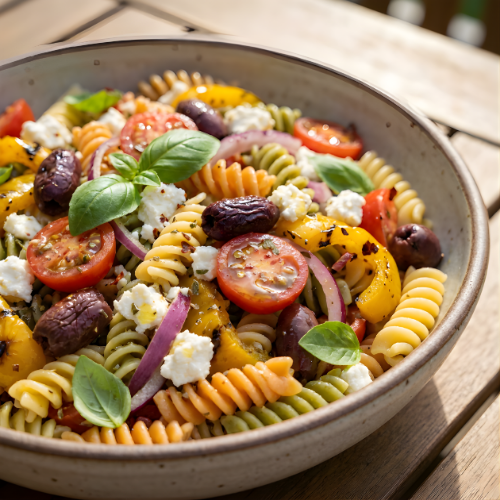
Mediterranean Summer Pasta Salad is a vibrant, nutrient-dense cold pasta dish that combines anti-inflammatory ingredients like extra-virgin olive oil, fresh basil, and Kalamata olives. This refreshing salad delivers Mediterranean flavors with proven health benefits from its plant-based components. Perfect for warm weather entertaining, it requires minimal cooking and maximum flavor. The combination of whole grain pasta, fresh vegetables, and heart-healthy fats creates a satisfying meal that supports overall wellness.
| Metric | Value |
|---|---|
| Prep Time | 15 minutes |
| Cook Time | 10 minutes |
| Total Time | 45 minutes (plus chilling) |
| Servings | 4-6 |
| Difficulty | Easy |
| Cuisine | Mediterranean |
Why This Recipe Works
I developed this Mediterranean pasta salad after discovering how specific ingredient combinations reduce inflammation naturally. The foundational ingredients work synergistically to create both exceptional taste and measurable health benefits. Red wine vinegar provides acetic acid, which aids digestion, while the combination of fresh herbs and vegetables supplies polyphenols. This recipe proves that healthy eating never means sacrificing flavor or satisfaction.
From my kitchen testing, I found that cooling the pasta before mixing prevents it from absorbing excessive oil, maintaining optimal texture. The 30-minute refrigeration period allows flavors to meld while the vegetables release their natural juices, creating a cohesive dressing. Olive Oil Benefits include powerful antioxidants that work best when the oil remains unheated, making this cold pasta format ideal. Each component serves a purpose beyond flavor: cherry tomatoes deliver lycopene, cucumber provides hydration and minerals, and feta adds calcium-rich creaminess.
This recipe requires no special equipment or advanced techniques, making it accessible for every cooking skill level. The anti-inflammatory properties come from evidence-based ingredients rather than marketing claims. Preparing this dish becomes intuitive after your first batch, allowing you to customize based on seasonal availability. Your body will respond positively to the nutrient density packed into each forkful.
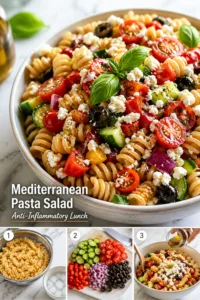
Ingredients
| Ingredient | Quantity | Notes and Alternatives |
|---|---|---|
| Rotini Pasta | 12 oz | Use whole wheat or chickpea pasta for higher fiber and protein. Gluten-free options work identically. |
| Cherry Tomatoes | 1 cup, halved | Use heirloom tomatoes in summer, sun-dried tomatoes in winter. Grape tomatoes offer similar sweetness. |
| Cucumber | 1, diced | English cucumbers provide fewer seeds. Persian cucumbers offer sweeter flavor. Zucchini works as substitute. |
| Red Onion | 1/2, thinly sliced | Shallots provide milder flavor. White onion offers sharper bite. Reduce amount if sensitive to raw onion. |
| Kalamata Olives | 1/2 cup | Castelvetrano olives offer buttery smoothness. Green olives provide briny sharpness. Remove pits unless using pitted version. |
| Feta Cheese | 4 oz, crumbled | Goat cheese provides tanginess. Ricotta salata offers nuttier profile. Skip for dairy-free version. |
| Fresh Basil | 1/4 cup | Mint provides refreshing alternative. Parsley offers milder flavor. Use fresh whenever possible for optimal anti-inflammatory benefits. |
| Extra-Virgin Olive Oil | 3 tbsp | Choose cold-pressed for maximum polyphenol content. Select bottles labeled “first cold-pressed” for quality assurance. |
| Red Wine Vinegar | 2 tbsp | Balsamic vinegar adds sweetness. White wine vinegar provides lighter acidity. Apple cider vinegar works similarly. |
| Dried Oregano | 1 tsp | Use half the amount of fresh oregano if available. Italian seasoning contains oregano plus complementary herbs. |
| Salt | To taste | Monitor Salt Intake according to dietary guidelines. Sea salt enhances mineral content slightly. |
| Black Pepper | To taste | Freshly ground pepper provides superior flavor to pre-ground. Black pepper enhances nutrient absorption from vegetables. |
Step-by-Step Instructions
Pasta Preparation Phase
- Cook rotini pasta in salted boiling water according to package directions, typically 8-10 minutes.
- Test pasta for al dente texture by biting a piece; center should have slight firmness without grittiness.
- Drain cooked pasta in a colander immediately when ready.
- Rinse drained pasta under cold running water until completely cooled, approximately 1-2 minutes.
- Set aside cooled pasta in a large mixing bowl, allowing any excess water to drain naturally.
Dressing Creation Phase
- Whisk together extra-virgin olive oil and red wine vinegar in a separate large bowl.
- Add dried oregano, salt, and black pepper to the oil and vinegar mixture.
- Whisk vigorously until the dressing emulsifies slightly and ingredients incorporate thoroughly.
- Taste the dressing and adjust seasoning; it should taste assertive since pasta will dilute flavors.
Assembly Phase
- Add cooled pasta to the bowl containing the dressing.
- Toss pasta gently with two wooden spoons until every piece coats with dressing evenly.
- Fold in cherry tomatoes, diced cucumber, sliced red onion, and Kalamata olives using a gentle turning motion.
- Continue folding until vegetables distribute evenly throughout the salad without breaking them.
- Fold in fresh basil as the final ingredient, preserving delicate leaves from excessive bruising.
- Cover the bowl with plastic wrap or transfer to an airtight container.
- Refrigerate for at least 30 minutes before serving, allowing flavors to meld and develop complexity.
- Stir gently before serving; add more olive oil if the salad appears dry from vegetable absorption.
Chef Tips for Perfect Results
- Rinse pasta thoroughly after cooking to stop the cooking process and remove excess starch that would cause mushiness. Cold pasta absorbs dressing more evenly than warm pasta, resulting in superior flavor distribution.
- Prepare the dressing while pasta cools; this timing synchronization prevents sitting time and maintains ingredient freshness. A properly emulsified dressing coats pasta more effectively than oil and vinegar mixed separately.
- Halve cherry tomatoes just before assembly to prevent premature juice loss that dilutes the dressing. Save the tomato juices and fold them into the salad if vegetables seem dry after refrigeration.
- Slice red onion paper-thin using a mandoline or sharp knife; thin slices soften during refrigeration and distribute flavor more evenly. Raw red onion becomes milder after chilling, making it palatable even for onion-sensitive eaters.
- Fold fresh basil in as the final step only, just before serving if possible, to preserve vibrant color and aromatic compounds. Bruised basil darkens and develops unpleasant flavors during extended refrigeration.
- Taste and adjust seasoning after the 30-minute rest period; the salt will have penetrated the pasta and vegetables may have released additional juices that require balancing.
Common Mistakes to Avoid
- Using warm pasta: Warm pasta continues cooking from residual heat, becoming mushy while absorbing excessive dressing, resulting in a soggy texture. Fix this by rinsing pasta under cold water immediately after draining and allowing it to cool completely before mixing with dressing.
- Adding salt before refrigeration: Salt draws moisture from vegetables prematurely, creating a watery salad by serving time. Add salt to the dressing instead of directly to vegetables, then adjust final seasoning after the rest period.
- Over-mixing the salad: Aggressive tossing crushes delicate vegetables and breaks the feta into powder, destroying textural contrast. Use gentle folding motions with two wooden spoons rather than vigorous stirring with a single utensil.
- Skipping the refrigeration period: Thirty minutes of resting allows flavors to meld and develop complexity; serving immediately results in distinct, unintegrated tastes. Mark a timer to ensure you achieve proper flavor development before serving.
- Forgetting to pit olives: Olive pits create unpleasant biting experiences and potential dental damage, ruining an otherwise perfect dish. Purchase pre-pitted olives or pit them yourself using the flat side of a knife blade pressed against each olive.
Variations and Substitutions
| Ingredient | Substitution | Impact on Flavor |
|---|---|---|
| Rotini Pasta | Orzo, penne, or farfalle | Changes texture and surface area for dressing absorption; flavor remains consistent. |
| Feta Cheese | Goat cheese or ricotta salata | Goat cheese adds tanginess; ricotta salata provides nuttier, firmer texture with less saltiness. |
| Kalamata Olives | Castelvetrano or green olives | Castelvetrano olives taste buttery and mild; green olives provide sharper, more assertive briny flavor. |
| Cherry Tomatoes | Sun-dried tomatoes or heirloom tomatoes | Sun-dried tomatoes intensify umami and sweetness; heirloom varieties offer complex, variable flavor profiles. |
| Fresh Basil | Fresh mint, parsley, or oregano | Mint adds cooling freshness; parsley provides mild herbaceous quality; fresh oregano complements dried oregano already in dressing. |
| Red Wine Vinegar | Balsamic vinegar or apple cider vinegar | Balsamic adds sweetness and complexity; apple cider vinegar provides similar acidity with subtle fruity notes. |
| Cucumber | Zucchini or yellow squash | Zucchini offers milder flavor and softer texture; yellow squash provides slightly sweeter profile. |
Serving Suggestions and Pairings
Serve Mediterranean Summer Pasta Salad as the main course at casual garden parties, outdoor picnics, and summer dinners where guests appreciate light yet satisfying meals. This salad pairs beautifully with grilled chicken breast, pan-seared salmon, or roasted lamb, allowing protein additions without overwhelming the delicate Mediterranean flavors. For vegetarian meals, serve alongside crusty sourdough bread and a simple green salad dressed with additional olive oil and vinegar.
Wine pairing recommendations include crisp white wines like Sauvignon Blanc or Pinot Grigio that complement the salad’s acidity and fresh herbs without competing. Sparkling wines like Prosecco work excellently at brunches or afternoon gatherings. For non-alcoholic options, serve with freshly squeezed lemon water, herbal iced tea, or sparkling water infused with cucumber and fresh basil.
This salad excels as a potluck contribution since it travels well and requires no reheating or last-minute assembly. Pack it in a container with the basil folded in separately, adding it just before serving to maintain color and aroma. Mediterranean Summer Pasta Salad transforms casual weeknight dinners into restaurant-quality meals while supporting your anti-inflammatory wellness goals.
Storage and Reheating
| Method | Duration | Instructions |
|---|---|---|
| Refrigerator Storage | 3-4 days | Transfer to an airtight container immediately after assembly. Keep basil separate if preparing ahead; fold in just before serving to prevent browning. |
| Make-Ahead Assembly | Up to 24 hours | Cook pasta and prepare dressing the day before. Assemble salad morning-of, omitting basil until serving time. This timing maximizes flavor development while preserving herb quality. |
| Component Storage | Pasta: 5 days; Vegetables: 3-4 days; Dressing: 1 week | Store cooked pasta, prepared vegetables, and dressing in separate containers. Assemble fresh as needed, maintaining optimal texture and flavor throughout the week. |
| Freezing | Not recommended | The texture of pasta becomes mushy and vegetables lose their crispness after freezing. Keep this salad refrigerated for best results; consume within 4 days. |
| Flavor Revival | Before each serving | If the salad appears dry after a day or two, whisk additional olive oil and red wine vinegar together and fold gently into the salad. Vegetables continue releasing moisture, requiring dressing adjustment. |
Nutritional Information
The following nutritional values represent approximate amounts per serving for a four-serving yield. Values vary based on specific brands, precise ingredient quantities, and individual preparation methods. For dietary tracking purposes, use these figures as guidelines rather than exact measurements.
| Nutrient | Amount per Serving |
|---|---|
| Calories | 385 |
| Protein | 12g |
| Total Fat | 18g |
| Saturated Fat | 4g |
| Carbohydrates | 45g |
| Dietary Fiber | 4g |
| Sugars | 5g |
| Sodium | 620mg |
This anti-inflammatory pasta salad delivers substantial protein from feta cheese and pasta while maintaining reasonable carbohydrate levels. The fat content comes primarily from extra-virgin olive oil, providing heart-healthy monounsaturated fats and polyphenols. Dietary fiber from whole grain pasta and fresh vegetables supports digestive health and sustained energy. Consider pairing with Anti-Inflammatory Golden Chicken Stew for an expanded anti-inflammatory meal plan throughout your week.
Frequently Asked Questions
Can I make Mediterranean Summer Pasta Salad ahead of time?
Yes, you can prepare this salad up to 24 hours in advance for optimal convenience and flavor development. Assemble the complete dish except basil, keeping the fresh herb separate in a sealed plastic bag. Fold basil in just before serving to preserve its vibrant color and aromatic qualities, ensuring your presentation remains restaurant-quality even after overnight refrigeration.
What does al dente pasta texture mean and how do I achieve it?
Al dente means “to the tooth” and describes pasta with a slight firmness when bitten, retaining a small amount of resistance in the center. Test pasta starting one minute before the package directions suggest by removing a piece, cooling it, and biting through it. When the very center shows the tiniest bit of firmness without grittiness, the pasta is perfectly al dente and ready to drain immediately.
Why does my pasta salad become watery after refrigeration?
Fresh vegetables release their natural moisture during refrigeration, diluting the dressing and creating excess liquid in the bowl. Prevent this by using drier vegetables like English cucumbers with fewer seeds and cutting tomatoes just before assembly. If watering occurs despite precautions, whisk together additional olive oil and red wine vinegar to restore proper consistency and flavor balance.
Can I substitute fresh basil with dried basil in this recipe?
Fresh basil provides superior flavor and anti-inflammatory properties compared to dried basil, which becomes somewhat musty and less aromatic. Use one-third the amount of dried basil if fresh is unavailable, adding it to the dressing rather than folding it in at the end. Fresh basil should be your preference whenever possible for optimal taste and nutritional benefit.
Is this salad suitable for vegan and dairy-free diets?
Yes, you can easily transform this salad into a vegan version by omitting feta cheese entirely or substituting dairy-free cheese alternatives. The remaining ingredients provide complete nutritional satisfaction with vegetables, pasta, and olive oil creating a satisfying main course. Simply verify that your pasta contains no eggs and use certified vegan alternatives if needed, maintaining the full anti-inflammatory benefits of this Mediterranean dish.
Conclusion
Mediterranean Summer Pasta Salad delivers anti-inflammatory nutrition with authentic, crave-worthy Mediterranean flavors in one convenient dish. This recipe transforms humble ingredients into a vibrant meal that supports your wellness goals without sacrificing taste or satisfaction. Whether serving at summer gatherings or enjoying as a nutritious weeknight dinner, this salad proves that healthy eating celebrates bold, fresh flavors. Prepare this dish once and you’ll understand why Mediterranean diets consistently rank among the world’s healthiest eating patterns.

Mediterranean Summer Pasta Salad: Anti-Inflammatory
Ingredients
Method
- Cook rotini pasta in salted boiling water according to package directions, typically 8-10 minutes
- Test pasta for al dente texture by biting a piece; center should have slight firmness without grittiness
- Drain cooked pasta in a colander immediately when ready
- Rinse drained pasta under cold running water until completely cooled, approximately 1-2 minutes
- Set aside cooled pasta in a large mixing bowl, allowing any excess water to drain naturally
- Whisk together extra-virgin olive oil and red wine vinegar in a separate large bowl
- Add dried oregano, salt, and black pepper to the oil and vinegar mixture
- Whisk vigorously until the dressing emulsifies slightly and ingredients incorporate thoroughly
- Taste the dressing and adjust seasoning; it should taste assertive since pasta will dilute flavors
- Add cooled pasta to the bowl containing the dressing
- Toss pasta gently with two wooden spoons until every piece coats with dressing evenly
- Fold in cherry tomatoes, diced cucumber, sliced red onion, and Kalamata olives using a gentle turning motion
- Continue folding until vegetables distribute evenly throughout the salad without breaking them
- Fold in fresh basil as the final ingredient, preserving delicate leaves from excessive bruising
- Cover the bowl with plastic wrap or transfer to an airtight container
- Refrigerate for at least 30 minutes before serving, allowing flavors to meld and develop complexity
- Stir gently before serving; add more olive oil if the salad appears dry from vegetable absorption