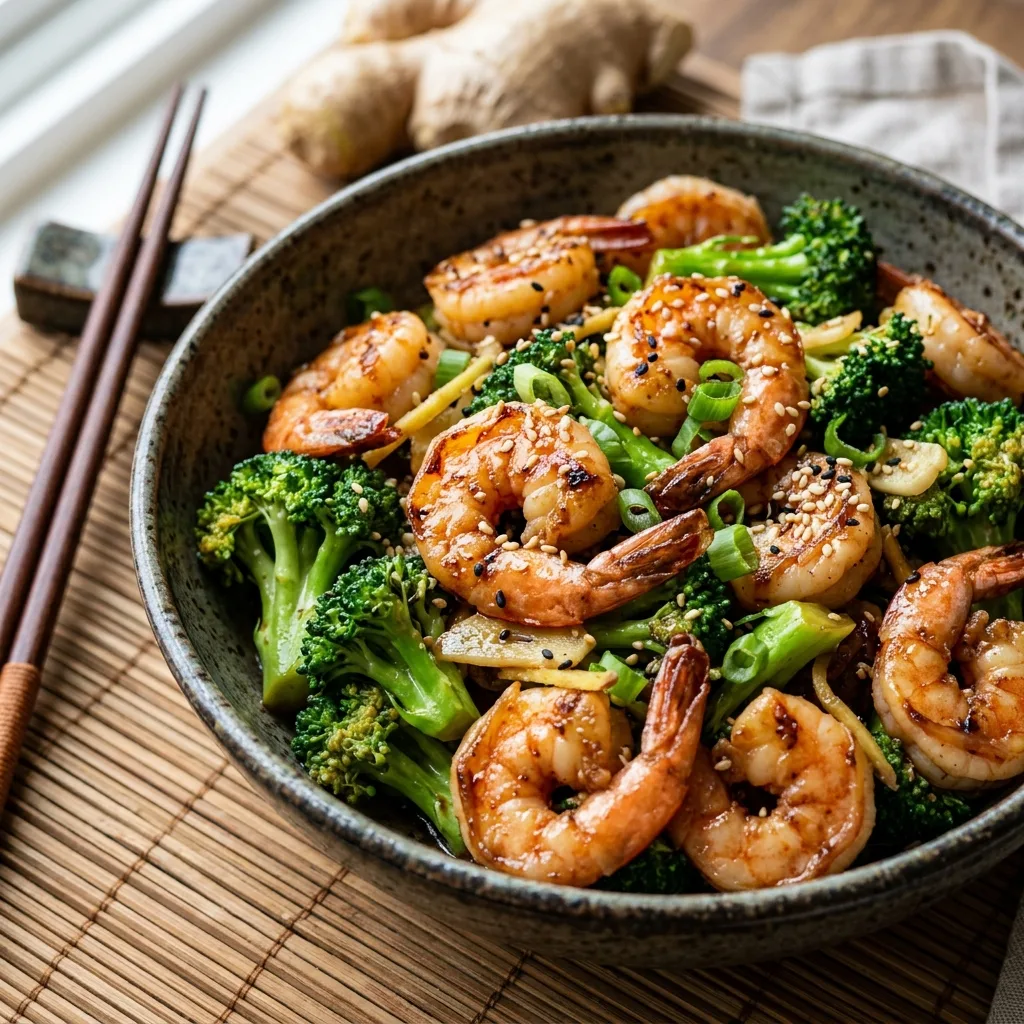
Shrimp broccoli sesame stir fry is a restaurant-quality high-protein dinner that combines succulent shrimp, vibrant broccoli florets, and an umami-rich sesame sauce in just twenty minutes. This Asian-inspired dish delivers over 30 grams of protein per serving while maintaining balanced nutrition and authentic flavor. The quick cooking method preserves the crisp texture of vegetables and tender shrimp, making it ideal for weeknight meals when you need healthy food fast.
| Metric | Details |
|---|---|
| Prep Time | 15 minutes |
| Cook Time | 10 minutes |
| Total Time | 25 minutes |
| Servings | 4 |
| Difficulty | Easy to Intermediate |
| Cuisine | Asian, Chinese-Inspired |
Why This Recipe Works
I developed this shrimp broccoli sesame stir fry recipe to solve the common problem of achieving restaurant-quality results at home while maintaining nutritional integrity. The secret lies in the sauce preparation method: whisking the ingredients together before cooking creates an emulsified base that coats every piece of protein and vegetable evenly. When you dissolve cornstarch in water beforehand, it prevents lumps and ensures the sauce thickens perfectly during the final minute of cooking.
The cooking sequence matters tremendously for texture and flavor development. I start by stir-frying broccoli alone because it needs slightly longer to become tender-crisp than shrimp does. This prevents overcooked, rubbery shrimp while maintaining the broccoli’s slight crunch. According to Protein Info, shrimp provides lean protein with minimal saturated fat, making it an excellent choice for health-conscious dinner planning.
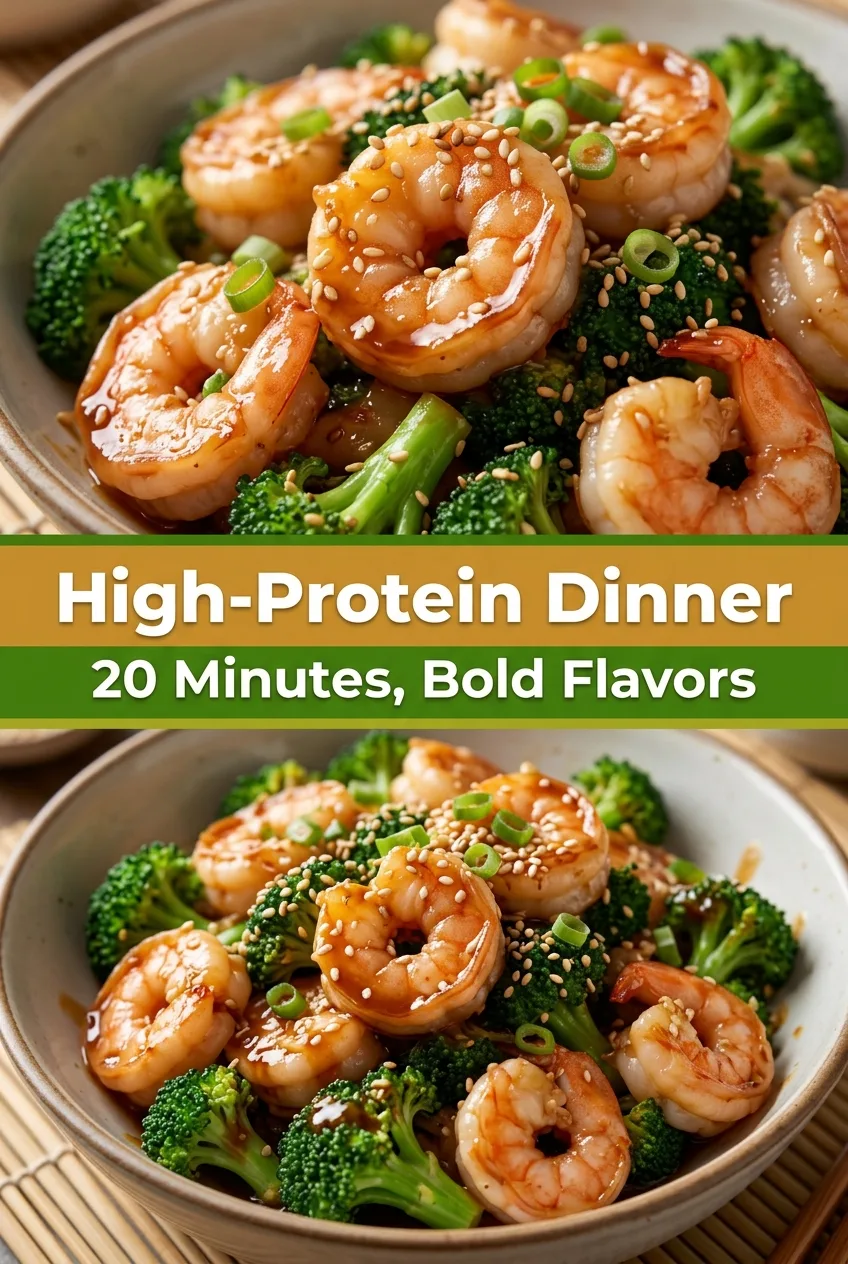
The sesame element transforms this from a simple stir-fry into a sophisticated dish with depth. Toasted sesame oil has an intense, nutty flavor that cheap versions cannot replicate, so the small investment in quality oil pays dividends. Finishing with fresh sesame oil and seeds rather than cooking with it preserves that signature aroma and taste that makes this dinner feel special.
Ingredients
| Ingredient | Quantity | Notes with Alternatives |
|---|---|---|
| Large shrimp, peeled and deveined | 1.5 lbs | Use frozen shrimp thawed completely. Medium shrimp requires 1-2 minutes less cooking per side. |
| Broccoli florets | 4 cups | Cut uniform size for even cooking. Substitute with cauliflower, snap peas, or green beans. |
| Garlic, minced | 3 cloves | Use fresh only. Pre-minced garlic loses volatile oils; jarred garlic is acceptable if fresh unavailable. |
| Fresh ginger, grated | 1 tbsp | Grate directly into the pan. Ginger powder is 1/3 the potency, so use 1 tsp if substituting. |
| Low-sodium soy sauce | 3 tbsp | Tamari provides gluten-free option. Coconut aminos substitute for lower sodium. |
| Oyster sauce | 2 tbsp | Adds umami depth. Vegetarian versions available at most supermarkets. |
| Sesame oil | 1 tbsp | This is for the sauce. Must be toasted sesame oil, not untoasted. |
| Rice vinegar | 1 tbsp | Provides gentle acidity. White vinegar works in pinch but adds sharper tang. |
| Honey | 1 tsp | Balances salt and acidity. Agave or maple syrup substitute 1:1. |
| Red pepper flakes | 1/2 tsp | Adjust to heat preference. Fresh Thai chilies sliced work wonderfully if available. |
| Vegetable oil for stir-frying | 2 tbsp | High smoke point essential. See Olive Oil Vs Vegetable Oil for oil selection guidance. |
| Cornstarch slurry | 2 tsp cornstarch + 2 tbsp water | Mix just before using. Prevents lumps in sauce thickening. |
| Sesame seeds | 2 tbsp | Toast in dry skillet 1 minute before serving for enhanced nutty flavor. |
| Green onions, sliced | 3 | Use white and light green parts for sauce, dark green for garnish. |
| Toasted sesame oil for finishing | 1 tsp | Never cook with this oil; add only at end to preserve aromatic compounds. |
Step-by-Step Instructions
Prepare the Sauce
- Whisk together soy sauce, oyster sauce, rice vinegar, honey, sesame oil, and red pepper flakes in a small bowl until the honey dissolves completely.
- Add the cornstarch slurry to the sauce mixture and stir until no cornstarch lumps remain visible.
- Set the sauce aside while you prepare the remaining ingredients.
Cook the Vegetables and Protein
- Heat vegetable oil in a large wok or skillet over high heat until the oil shimmers and moves freely across the pan surface.
- Add broccoli florets to the hot oil and stir-fry for three to four minutes, stirring constantly, until they turn bright green with slight browning on edges and remain tender-crisp.
- Push the cooked broccoli to the side of the wok, creating space in the center.
- Add shrimp to the empty center area and cook two minutes per side without moving until the shrimp turns pink and becomes opaque throughout.
Build Flavor and Finish
- Add minced garlic and grated ginger to the wok and toss everything together, mixing shrimp and broccoli, for thirty seconds until fragrant.
- Pour the prepared sauce over all ingredients in the wok.
- Stir-fry for one to two minutes, stirring constantly, until the sauce thickens and coats every piece evenly with a glossy sheen.
- Remove from heat and drizzle toasted sesame oil over the top.
- Sprinkle sesame seeds and sliced green onions over the finished dish.
- Serve immediately over rice or noodles.
Chef Tips for Perfect Results
- Pat shrimp completely dry with paper towels before cooking; moisture prevents proper browning and creates steam that makes shrimp tough instead of tender.
- Do not move shrimp during the first two minutes of cooking; undisturbed contact with the hot pan creates a light golden exterior while keeping centers moist.
- Keep all ingredients prepped and within arm’s reach before heating the oil; stir-frying happens so quickly that searching for ingredients mid-cooking guarantees overcooked results.
- Use a wok or large skillet with high sides to prevent ingredients from escaping; shallow pans cause crowding and steaming instead of proper stir-frying.
- Test broccoli doneness by piercing the stem with a knife; it should meet slight resistance but not crack or snap, indicating proper tender-crisp texture.
- Taste the sauce before adding it to the wok; adjust salt with additional soy sauce or acidity with vinegar at this stage when you can easily modify it.
Common Mistakes to Avoid
Overcooking shrimp ranks as the most frequent error in stir-fry preparation, and it happens because home cooks continue cooking after shrimp turns pink. Shrimp cooks extremely quickly because of its small mass, and residual heat continues the cooking process even after you remove the wok from the flame. Fix this by removing shrimp from heat the instant the last bit of gray disappears from the thickest part.
Adding cold sauce to a hot wok causes the temperature to drop suddenly, preventing proper thickening and creating a watery, separated sauce. The cornstarch slurry needs sustained high heat to gelatinize and thicken properly. Always bring sauce ingredients to room temperature before adding them, or let them sit in the hot wok for an extra minute to regain temperature.
Cutting broccoli florets too large means some pieces finish cooking while others remain tough. Large florets have woody, thick stems that require much longer cooking than delicate florets. Cut florets uniformly about two to three inches long, slicing thick stems in half lengthwise to expose more surface area for even cooking.
Skipping the toast step for sesame seeds eliminates half their flavor potential, as toasting releases essential oils that create that signature nutty aroma. A dry skillet for just one minute transforms bland seeds into flavor bombs. Never toast seeds in oil, as they scorch immediately.
Using regular sesame oil instead of toasted sesame oil produces an entirely different, less flavorful dish. Untoasted sesame oil is pale and mild, missing the intense nutty profile that makes this dish special. Check the label carefully; it should say “toasted” and display a dark amber color in the bottle.
Variations and Substitutions
| Ingredient | Substitution | Impact on Flavor |
|---|---|---|
| Shrimp | Chicken breast, cubed | Milder flavor; increase cooking time to three to four minutes per side; less seafood essence. |
| Broccoli | Snap peas, bell peppers, or bok choy | Snap peas add crunch and sweetness; peppers add smokiness; bok choy intensifies umami. |
| Oyster sauce | Hoisin sauce or mushroom sauce | Hoisin adds sweetness and spice; mushroom sauce deepens earthiness and umami. |
| Rice vinegar | White vinegar or apple cider vinegar | White vinegar creates sharper acidity; apple cider adds subtle sweetness and warmth. |
| Toasted sesame oil | Chili sesame oil | Adds heat and smoky complexity; reduces need for red pepper flakes. |
| Soy sauce | Tamari or coconut aminos | Tamari provides gluten-free option with identical flavor; coconut aminos tastes slightly sweeter and lighter. |
Serving Suggestions and Pairings
Serve this shrimp broccoli sesame stir fry over jasmine rice to absorb the rich sauce, or pair with noodles like ramen or udon for a more substantial meal. White rice provides neutral flavor that lets the sesame sauce shine, while brown rice adds nutty notes that complement the toasted sesame oil beautifully. For lower-carbohydrate options, cauliflower rice or shirataki noodles work wonderfully without compromising satisfaction.
Complete the dinner menu by pairing this stir fry with lighter sides that balance the rich sauce. The Summer Salad Ideas: Cucumber Caprese Salad with Burrata offers refreshing acidity and coolness that contrasts beautifully with warm stir fry flavors. Alternatively, steam edamame or serve cucumber slices with rice vinegar dressing as a light palate cleanser.
This high-protein dinner works perfectly for meal prep containers, weeknight family dinners, or elegant entertaining on weekends. The quick preparation time makes it ideal for busy professionals, while the sophisticated flavor profile impresses dinner guests. Pair with a crisp sauvignon blanc, light lager beer, or jasmine tea for beverages that enhance the Asian-inspired flavors without overwhelming the delicate shrimp.
Storage and Reheating
| Method | Duration | Instructions |
|---|---|---|
| Refrigerator Storage | Up to 3 days | Cool completely, then transfer to airtight container. Store shrimp and vegetables separately from sauce if possible to prevent sogginess. |
| Freezer Storage | Up to 2 months | Freeze in airtight container or freezer bags. Thaw overnight in refrigerator before reheating. Texture of vegetables diminishes slightly after freezing. |
| Stovetop Reheating | 3-5 minutes | Heat oil in skillet over medium-high heat, add stir fry, and cook while stirring occasionally until heated through. Add splash of water if sauce seems too thick. |
| Microwave Reheating | 2-3 minutes | Transfer to microwave-safe container, cover loosely, and heat on 50% power, stirring halfway through. Reduces starch gelatinization better than full power. |
| Make-Ahead Preparation | Sauce holds 5 days | Prepare sauce up to five days ahead; store in sealed jar in refrigerator. Prep vegetables and marinate shrimp in ginger and garlic up to one day ahead for quick cooking. |
Nutritional Information
| Nutrient | Amount per Serving |
|---|---|
| Calories | 280 |
| Protein | 32g |
| Fat | 12g |
| Saturated Fat | 2g |
| Carbohydrates | 8g |
| Fiber | 2g |
| Sugar | 3g |
| Sodium | 680mg |
Approximate values based on 4 servings without rice or noodles. Values increase if served with carbohydrate bases. The 32 grams of protein per serving comes entirely from shrimp and makes this dish excellent for post-workout meals or high-protein diet requirements.
Frequently Asked Questions
Can I substitute chicken for shrimp in this stir fry recipe?
Yes, chicken breast makes an excellent substitution for shrimp and requires only minor cooking adjustments. Cut chicken into half-inch cubes and stir-fry for three to four minutes per side until the internal temperature reaches 165°F rather than the two minutes per side for shrimp. The sauce and vegetable components remain identical, though the overall flavor becomes slightly milder than the original seafood version.
How do I know when shrimp is fully cooked and not overcooked?
Shrimp is fully cooked when it turns opaque throughout and the curved shape straightens completely, which happens when the proteins denature from heat. Remove shrimp from the wok the instant this occurs; overcooked shrimp becomes tough and rubbery because the proteins seize and squeeze out moisture. The interior color should be white or pale pink, never translucent gray.
What should I do if my sauce is too thin and watery?
A thin sauce usually indicates the cornstarch did not activate properly because the heat dropped too much when sauce was added. Continue cooking over high heat for an additional minute while stirring constantly; the cornstarch should thicken the sauce significantly if given proper heat and time. If still thin, mix one teaspoon cornstarch with one tablespoon cold water and stir it into the hot sauce while cooking for another thirty seconds.
Can I prep this stir fry ahead of time for a busy weeknight?
Absolutely; preparing components ahead transforms this into a true weeknight meal requiring only ten minutes of active cooking. The sauce keeps refrigerated for five days, vegetables can be cut and stored in airtight containers for two days, and shrimp can be peeled and deveined the morning of serving. When dinner time arrives, simply heat the wok and execute the cooking steps in order.
How many servings does this shrimp broccoli sesame stir fry recipe make?
This recipe makes four generous servings as a protein-forward main course when served with rice or noodles. Each serving delivers 32 grams of protein, making it appropriately portioned for adult meals or families with teenagers. Reduce cooking time proportionally if preparing a half batch for two servings, or double all quantities and freeze half in meal prep containers.
Complement Your Meal
For additional high-protein dinner inspiration, explore the Healthy Dinner: Turkey Potsticker Noodle Bowl, which offers similar Asian-inspired flavors with different protein sources and textures. If you prefer ending your meal with something sweet, the Healthy Dessert: Dark Chocolate Almond Flour Zucchini Bread provides wholesome satisfaction without derailing your nutritional goals.
Conclusion
Shrimp broccoli sesame stir fry delivers impressive protein content in an elegant, restaurant-quality dinner that cooks in just ten minutes from pan to plate. The combination of succulent shrimp, vibrant vegetables, and umami-rich sesame sauce creates satisfaction that rivals takeout without compromise on nutrition or flavor. Master this technique, and you’ll have a go-to high-protein dinner that earns regular rotation in your weekly meal planning.

High-Protein Dinners: Shrimp Broccoli Sesame Stir Fry
Ingredients
Method
- Whisk together soy sauce, oyster sauce, rice vinegar, honey, sesame oil, red pepper flakes, and cornstarch slurry to make the sauce and set aside.
- Heat vegetable oil in a large wok or skillet over high heat until the oil shimmers.
- Add broccoli florets to the hot oil and stir-fry for 3-4 minutes until bright green and tender-crisp.
- Push the cooked broccoli to the side of the wok.
- Add shrimp to the empty center area and cook 2 minutes per side until pink and just opaque.
- Add garlic and ginger, toss everything together.
- Pour in the sauce and stir-fry 1-2 minutes until the sauce thickens and coats everything.
- Finish with toasted sesame oil, sesame seeds, and green onions.
- Serve immediately over rice or noodles.