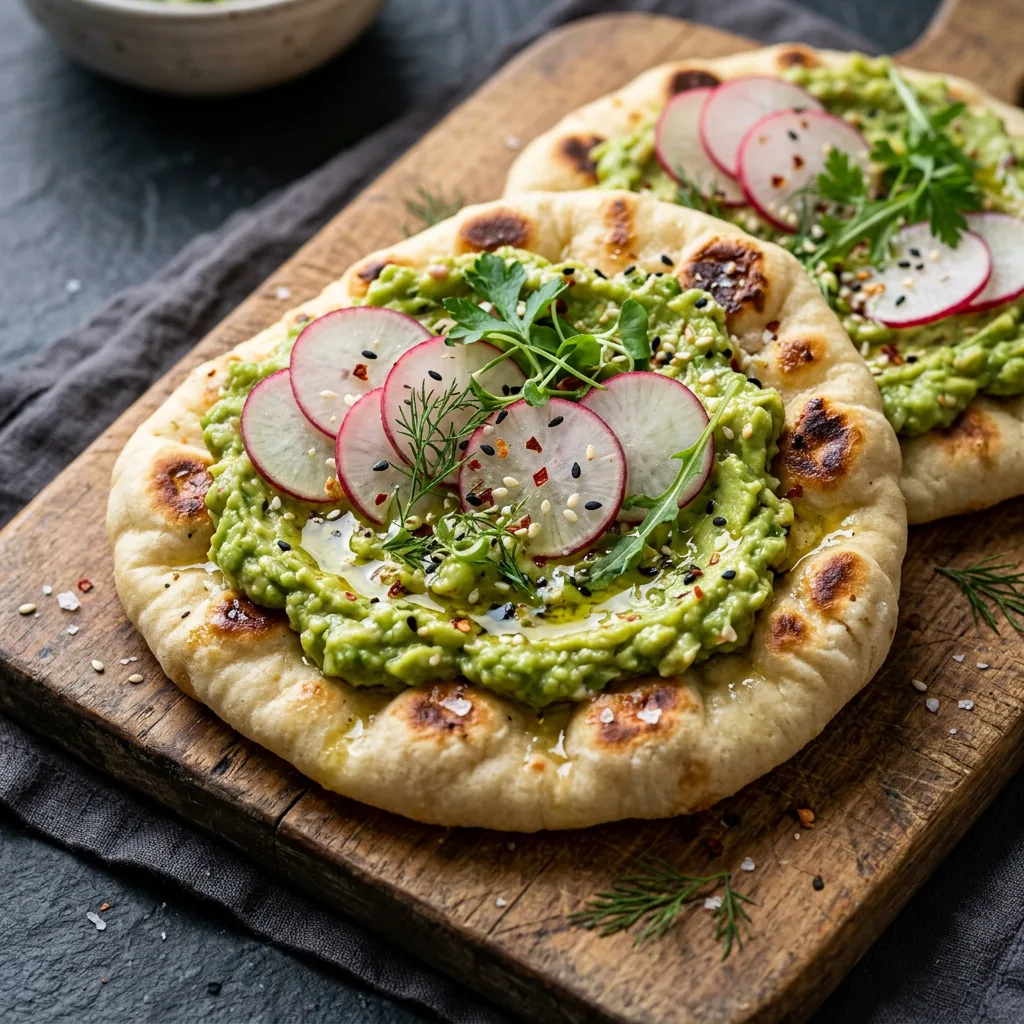
High-protein lunch made simple, this 2-ingredient Greek yogurt flatbread delivers exceptional nutrition and flavor in under 20 minutes. Greek yogurt combined with self-raising flour creates a tender, pillowy base that requires no yeast and no lengthy rise time. Topped with creamy avocado, fresh microgreens, and crispy radishes, this flatbread becomes a complete, satisfying meal that works for meal prep or weeknight dinners. The protein-packed foundation makes this flatbread ideal for muscle recovery, sustained energy, and blood sugar balance throughout your afternoon.
| Metric | Value |
|---|---|
| Prep Time | 10 minutes |
| Cook Time | 8 minutes |
| Total Time | 18 minutes |
| Servings | 4 |
| Difficulty | Easy |
| Cuisine | Mediterranean |
Why This Recipe Works
I discovered this flatbread method while searching for protein-enriched bread alternatives that didn’t require commercial mixes or complicated leavening agents. The magic happens when full-fat Greek yogurt meets self-raising flour, creating a dough that’s naturally tender and requires zero kneading or resting time. The yogurt provides moisture, binding power, and approximately 6 grams of protein per serving, transforming what could be an ordinary flatbread into a nutritional powerhouse.
What makes this approach remarkable is the texture evolution during cooking. When the dough hits a hot skillet, the moisture rapidly converts to steam, causing the flatbread to puff dramatically and develop those coveted golden char marks. This happens in just two minutes per side, making this lunch option faster than ordering takeout while delivering superior nutrition. The remaining yogurt tang subtly enhances the avocado’s richness without overpowering the fresh vegetable toppings.
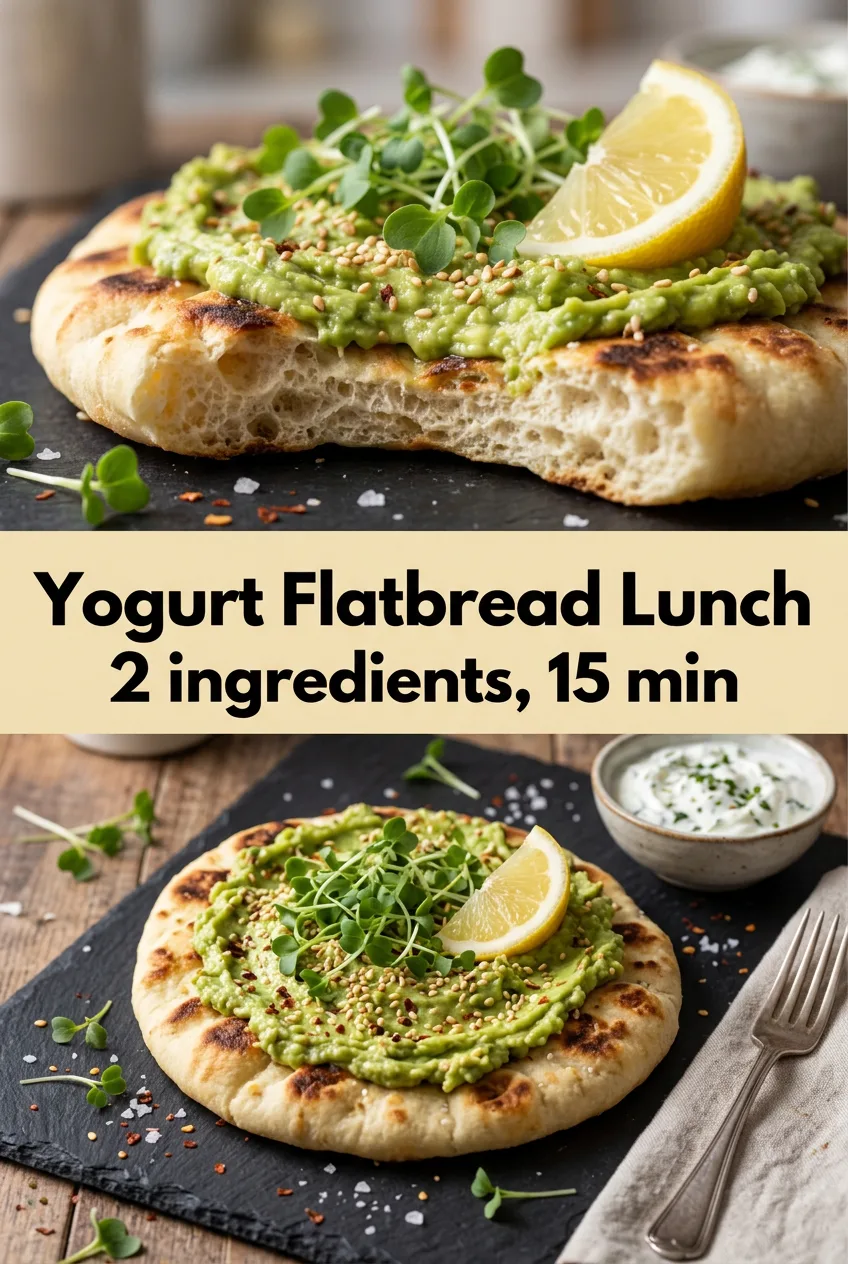
I’ve tested countless variations over months of recipe development, and this ratio consistently produces the most reliable results. The self-raising flour contains leavening agents already incorporated, eliminating guesswork about baking powder or baking soda quantities. Whether you’re meal prepping for the week or preparing lunch for unexpected guests, this recipe delivers restaurant-quality results with humble kitchen equipment and pantry staples.
Ingredients
| Ingredient | Quantity | Notes & Alternatives |
|---|---|---|
| Plain full-fat Greek yogurt | 1 cup | Non-fat or low-fat yogurt will result in denser flatbread. Use unflavored varieties only. |
| Self-raising flour | 1 cup (plus extra for dusting) | All-purpose flour combined with 1.5 tsp baking powder and 0.5 tsp salt per cup works if self-raising is unavailable. |
| Salt | 1/4 tsp | Reduce if using salted Greek yogurt. Sea salt and table salt are interchangeable by volume. |
| Olive oil for brushing | 1 tbsp | Ghee or melted coconut oil can replace olive oil for different flavor profiles. |
| Ripe avocado, mashed | 1 | Substitute with hummus, whipped feta, or Greek yogurt mixed with herbs for variation. |
| Lemon juice | 1 tsp | Lime juice provides brightness with a slightly different citrus character. |
| Red pepper flakes | Pinch | Omit for mild versions or double for heat lovers. Cayenne powder works as a substitute. |
| Garlic powder | 1/4 tsp | Fresh minced garlic mixed into avocado adds intensity; use 0.5 tsp minced garlic as a swap. |
| Salt and black pepper | To taste | Freshly ground black pepper enhances complexity. Adjust based on filling ingredients used. |
| Fresh microgreens or arugula | Handful per flatbread | Spinach, mixed greens, or watercress provide similar nutritional profiles with different flavor notes. |
| Radishes, thinly sliced | 2 | Cucumber, thinly sliced kohlrabi, or daikon radish offer similar crunch with milder pepper notes. |
| Sesame seeds for topping | 1 tbsp | Black sesame seeds add visual contrast. Sunflower seeds or pumpkin seeds substitute for sesame allergy. |
Step-by-Step Instructions
Prepare the Dough
- Combine one cup plain full-fat Greek yogurt, one cup self-raising flour, and one-quarter teaspoon salt in a large mixing bowl.
- Stir ingredients together using a wooden spoon until a soft, slightly sticky dough forms, approximately 30 seconds of mixing.
- Transfer the dough to a lightly floured surface and knead gently for 5-6 turns with floured hands until the texture becomes cohesive and smooth.
- Divide the dough into four equal balls, rolling each between your palms to create even portions.
Roll and Shape
- Dust your work surface generously with additional self-raising flour to prevent sticking during rolling.
- Place the first dough ball on the floured surface and flatten slightly with your palm before rolling.
- Roll the dough ball outward in all directions using a rolling pin until you achieve a thin flatbread approximately 1/8-inch thick and 7-8 inches in diameter.
- Repeat rolling steps with the remaining three dough balls, stacking finished flatbreads on parchment paper to prevent them from sticking together.
Cook the Flatbreads
- Heat a dry cast-iron skillet or non-stick pan over medium-high heat for approximately 2 minutes until a water droplet placed on the surface sizzles instantly.
- Place the first rolled flatbread directly onto the hot dry skillet without any added fat or oil.
- Cook for exactly 2 minutes without moving, allowing the bottom to develop golden-brown char marks and the flatbread to puff slightly from steam production.
- Flip the flatbread carefully using tongs and cook the second side for 2 minutes until evenly golden with light charring patterns.
- Transfer the cooked flatbread to a clean plate and repeat cooking steps with the remaining three rolled flatbreads, allowing the pan to reheat for 30 seconds between each cook cycle.
- Brush each warm flatbread lightly with one-quarter tablespoon of olive oil immediately after cooking for subtle richness and shine.
Prepare the Avocado Topping
- Cut one ripe avocado in half lengthwise, remove the pit, and scoop the flesh into a small mixing bowl.
- Mash the avocado using a fork until you achieve a chunky-smooth consistency with some small pieces remaining.
- Add one teaspoon fresh lemon juice, one-quarter teaspoon garlic powder, and a small pinch of red pepper flakes to the mashed avocado.
- Season with salt and fresh black pepper to taste, stirring gently to combine all flavors without overworking the mixture.
Assemble and Serve
- Spread approximately one-quarter of the seasoned avocado mixture evenly across each warm flatbread while it’s still hot.
- Layer a generous handful of fresh microgreens or arugula on top of the avocado base on each flatbread.
- Distribute thinly sliced radish slices across the greens, aiming for visual appeal and even distribution of crunch.
- Sprinkle one-quarter tablespoon of sesame seeds across the top of each assembled flatbread for finishing texture and nutty flavor.
- Serve immediately while the flatbread retains its warmth and the avocado maintains optimal creaminess.
Chef Tips for Perfect Results
- Use full-fat Greek yogurt exclusively for this recipe, as the higher fat content creates tender, moist flatbread with superior flavor development. Non-fat yogurt produces dense, rubbery results that cannot be corrected during cooking.
- Roll the dough as thin as possible without tearing, targeting approximately 1/8-inch thickness for maximum puffing and optimal char development during the 2-minute cook time.
- Allow the skillet to reach proper temperature by waiting for visible heat shimmer before placing the first flatbread down, as insufficient heat prevents puffing and produces tough, pale flatbreads.
- Mash avocado immediately before assembly, as exposed avocado flesh oxidizes rapidly and develops brown discoloration within 5-10 minutes of preparation.
- Keep finished flatbreads warm by stacking them inside a clean kitchen towel immediately after cooking, which traps steam and maintains softness while you cook subsequent flatbreads.
- Taste the avocado seasoning separately before spreading onto flatbread, adjusting lemon juice and garlic powder to your preference since the warm flatbread base doesn’t allow flavor adjustment after assembly.
Common Mistakes to Avoid
Using low-fat or non-fat Greek yogurt produces dense, tough flatbread that fails to puff properly during cooking. The reduced fat content diminishes moisture retention, resulting in a crumbly texture that falls apart when topped. Always select full-fat Greek yogurt, which contains approximately 5-7 grams of fat per serving and creates tender, pillowy flatbread.
Insufficient skillet temperature prevents the flatbread from puffing and creates pale, limp results instead of the desired golden char. Test the pan’s readiness by sprinkling a few drops of water on the surface; if they instantly sizzle and evaporate, your skillet has reached the correct 375-400°F range. Low temperature flatbreads taste more like dense crepes than light flatbread.
Kneading the dough excessively develops gluten strands that make the flatbread tough and chewy rather than soft and tender. Mix only until ingredients combine, then knead gently for 5-6 turns maximum. Over-developed dough produces flatbreads with a bread-like chewiness rather than the desired delicate, pillowy texture.
Rolling the dough too thick prevents even cooking and reduces the puffing effect during the skillet phase. Thick flatbreads remain doughy inside while the outer surface burns, creating an unpleasant texture contrast. Aim for 1/8-inch thickness throughout the flatbread for balanced cooking and optimal puffing.
Assembling the flatbread while it cools allows the avocado to separate from the warm base instead of adhering naturally. Add avocado and toppings while the flatbread is still steaming hot, which softens the surface and allows the creamy topping to settle into the warm bread structure.
Variations and Substitutions
| Ingredient | Substitution | Impact on Flavor |
|---|---|---|
| Avocado topping | Hummus (plain or roasted red pepper variety) | Creates earthier, slightly savory profile with higher fiber content and chickpea protein instead of healthy fats. |
| Avocado topping | Whipped feta cheese mixed with fresh dill and lemon juice | Introduces tangy, salty Mediterranean character with reduced fat content and increased probiotic benefits from fermented cheese. |
| Avocado topping | Herbed Greek yogurt spread mixed with crumbled goat cheese | Delivers creamy, tangy topping with double the protein content and characteristic goat cheese sharpness without extra fat. |
| Microgreens | Sautéed spinach or wilted Swiss chard | Provides cooked green vegetable warmth that contrasts beautifully with cool toppings, reduces raw vegetable volume. |
| Radishes | Thinly shaved cucumber or daikon radish | Maintains crunch and freshness while reducing peppery heat, creating milder vegetable profiles for heat-sensitive palates. |
| Sesame seeds | Black sesame seeds or sunflower seeds | Black sesame provides nutty depth with visual drama; sunflower seeds offer milder flavor suitable for sesame allergies. |
| Olive oil brush | Melted ghee or coconut oil | Ghee introduces buttery richness and heat-stable properties; coconut oil adds subtle tropical sweetness. |
| Lemon juice | Fresh lime juice or white wine vinegar | Lime delivers brighter acidity with tropical character; vinegar provides tangy depth with lower flavor intensity. |
Serving Suggestions and Pairings
Serve this high-protein lunch flatbread with a light Greek salad featuring Kalamata olives, cherry tomatoes, and cucumber dressed in lemon vinaigrette. The cool, crisp salad contrasts beautifully with the warm flatbread while complementing the Mediterranean flavor profile without overwhelming the delicate avocado base. This combination transforms the flatbread into a complete meal with additional vegetables and olive oil-based healthy fats.
Pair this flatbread with a creamy tomato soup for autumn and winter lunches, as the warm soup’s acidity complements the rich avocado while adding vegetable volume to the meal. The soup’s liquid element balances the flatbread’s substantial dough texture, creating a satisfying, cozy lunch experience. This pairing provides approximately 20 grams of protein when combined with the flatbread’s yogurt base.
Serve alongside a simple tzatziki sauce made from Greek yogurt, grated cucumber, dill, and garlic for dunking, creating interactive lunch entertainment that boosts hydration and adds cooling elements to warm flatbread. This pairing works beautifully for casual weeknight dinners or entertaining guests who appreciate make-ahead options. The sauce’s probiotics enhance digestive benefits from the yogurt-based flatbread.
Pair with High-Protein Meal Prep: Easy 10-Minute Hormone-Balancing Fried Rice for a fusion lunch combining Mediterranean and Asian-inspired elements with exceptional protein density exceeding 30 grams per meal. This combination works particularly well for muscle-building meal prep phases or post-workout nutrition windows when protein requirements peak.
Include this flatbread in weekend entertaining menus alongside Creamy Herb Cream Cheese Stuffed Chicken for composed plates that showcase Mediterranean and creamy flavor profiles together. The cool, fresh flatbread offers textural contrast to the tender, rich chicken while maintaining sophisticated presentation. This pairing delivers restaurant-quality plating with minimal technical difficulty.
Serve as a light lunch before enjoying Anti-Inflammatory Dinner: Creamy Pepperoncini Chicken Skillet for evening meals, allowing the lighter lunch to settle comfortably before the more substantial dinner. This sequence supports digestive health while maintaining consistent protein intake throughout the day without overwhelming the stomach with excessive volume at any single meal.
Storage and Reheating
| Method | Duration | Instructions |
|---|---|---|
| Refrigerator Storage (Plain Flatbread) | 3-4 days | Allow cooked flatbreads to cool completely before storing in an airtight container separated by parchment paper. Store avocado topping separately in a sealed container with plastic wrap pressed directly against the surface to prevent oxidation. |
| Freezer Storage (Plain Flatbread) | 2-3 months | Wrap each cooled flatbread individually in plastic wrap and aluminum foil, then place in a freezer bag with the air removed. Label with the date and contents for easy identification. |
| Refrigerator Storage (Assembled) | 2-4 hours | Assemble with avocado, microgreens, and radishes immediately before serving, as assembled flatbread with fresh toppings becomes soggy within hours due to moisture transfer from the warm bread to the vegetables. |
| Reheating from Refrigerator | 2-3 minutes | Place refrigerated plain flatbread directly onto a hot skillet over medium-high heat for 30-45 seconds per side until warmed through and slightly crispy. Store toppings separately and add immediately before serving. |
| Reheating from Freezer | 5-7 minutes | Thaw frozen flatbread in the refrigerator overnight, then reheat on a hot skillet as described above. Alternatively, place unwrapped flatbread directly on a 375°F oven rack for 3-4 minutes until warmed and slightly crispy without losing moisture. |
| Toaster Oven Reheating | 3-4 minutes | Preheat toaster oven to 375°F and place cold or frozen flatbread directly on the rack. Toast until lightly warmed and surface crisps without burning, checking after 3 minutes to prevent overcooking. |
Nutritional Information
Approximate values based on one flatbread serving with avocado, microgreens, radishes, and sesame seed topping. Nutritional content varies based on ingredient brands and specific portion sizes of fresh produce.
| Nutrient | Amount per Serving |
|---|---|
| Calories | 245 |
| Protein | 9g |
| Total Fat | 12g |
| Saturated Fat | 2g |
| Carbohydrates | 28g |
| Dietary Fiber | 3g |
| Sugar | 0.5g |
| Sodium | 290mg |
This flatbread delivers substantial protein from Greek yogurt, which provides approximately 6 grams per serving from the base dough alone. The avocado contributes additional healthy monounsaturated fats, supporting sustained energy and nutrient absorption throughout the afternoon. For additional nutritional guidance regarding optimal Salt Intake, consult official dietary guidelines appropriate for your individual health profile and activity level.
The microgreens and arugula provide minimal calories while delivering concentrated micronutrients including vitamin K, which supports bone health and blood clotting functions. Radishes contribute additional fiber and vitamin C content without significant caloric impact. For information about Pepper Nutrition and spice health benefits, research demonstrates that red pepper flakes contain capsaicin compounds supporting metabolic health.
Frequently Asked Questions
Can I substitute all-purpose flour for self-raising flour in this recipe?
Yes, you can substitute all-purpose flour by adding leavening agents to match self-raising flour’s composition. Combine one cup all-purpose flour with 1.5 teaspoons baking powder and 0.5 teaspoon salt to replicate self-raising flour’s effect. Mix the dry ingredients thoroughly before combining with Greek yogurt to ensure even distribution of leavening agents throughout the dough.
How do I know when the flatbread is cooked through and properly puffed?
The flatbread is perfectly cooked when both surfaces display golden-brown color with light charring marks and the dough has visibly puffed upward from steam production. When you flip the flatbread, the cooked side should feel firm but still slightly flexible when gently pressed. The finished flatbread should feel light and airy rather than dense and heavy.
Why is my flatbread not puffing up during cooking?
Your skillet temperature is insufficient if the flatbread fails to puff, as proper heat activates the yogurt’s moisture and the baking powder’s leavening agents. Increase the heat to medium-high and allow the pan to preheat for a full two minutes before placing flatbread on the surface. Allow the first flatbread to cool slightly, then test the skillet with a water droplet before proceeding with remaining flatbreads.
Can I prepare the flatbread dough in advance for meal prep?
The prepared dough can be refrigerated for up to 24 hours in an airtight container, though the texture gradually becomes softer as yogurt moisture distributes throughout the flour. When ready to cook, remove the dough from refrigeration and allow it to rest at room temperature for 15 minutes before rolling. The dough may require slightly less flour during rolling if moisture has increased during storage.
What’s the best way to serve leftover flatbread for lunch the next day?
Reheat plain flatbread on a hot skillet for 30-45 seconds per side to restore crispiness, then assemble with fresh avocado, vegetables, and seasonings immediately before eating. Store cooked flatbread and avocado separately to prevent sogginess and preserve the flatbread’s texture quality. This approach ensures the second-day lunch maintains texture and flavor quality approaching the freshly prepared version.
Conclusion
This high-protein lunch flatbread transforms humble pantry ingredients into restaurant-quality Mediterranean fare in less than 20 minutes. The combination of Greek yogurt’s natural tang and creamy avocado’s richness creates satisfying nutrition that sustains afternoon energy without heaviness. Simple, nutritious, and endlessly customizable, this flatbread becomes an essential recipe in your meal prep rotation, delivering exceptional flavor with every charred, puffed bite.
{“title”:”High-Protein Lunch: 2-Ingredient Greek Yogurt Flatbread”,”description”:”High-protein lunch made simple, this 2-ingredient Greek yogurt flatbread delivers exceptional nutrition and flavor in under 20 minutes. Topped with creamy avocado, fresh microgreens, and crispy radishes, this flatbread becomes a complete, satisfying meal that works for meal prep or weeknight dinners.”,”ingredients”:”1 cup plain full-fat Greek yogurt\n1 cup self-raising flour (plus extra for dusting)\n1/4 tsp salt\n1 tbsp olive oil for brushing\n1 ripe avocado mashed\n1 tsp lemon juice\nPinch of red pepper flakes\n1/4 tsp garlic powder\nSalt and black pepper to taste\nFresh microgreens or arugula\n2 radishes thinly sliced\nSesame seeds for topping”,”instructions”:”Combine one cup plain full-fat Greek yogurt, one cup self-raising flour, and one-quarter teaspoon salt in a large mixing bowl.\nStir ingredients together using a wooden spoon until a soft, slightly sticky dough forms, approximately 30 seconds of mixing.\nTransfer the dough to a lightly floured surface and knead gently for 5-6 turns with floured hands until the texture becomes cohesive and smooth.\nDivide the dough into four equal balls, rolling each between your palms to create even portions.\nDust your work surface generously with additional self-raising flour to prevent sticking during rolling.\nPlace the first dough ball on the floured surface and flatten slightly with your palm before rolling.\nRoll the dough ball outward in all directions using a rolling pin until you achieve a thin flatbread approximately 1/8-inch thick and 7-8 inches in diameter.\nRepeat rolling steps with the remaining three dough balls, stacking finished flatbreads on parchment paper to prevent them from sticking together.\nHeat a dry cast-iron skillet or non-stick pan over medium-high heat for approximately 2 minutes until a water droplet placed on the surface sizzles instantly.\nPlace the first rolled flatbread directly onto the hot dry skillet without any added fat or oil.\nCook for exactly 2 minutes without moving, allowing the bottom to develop golden-brown char marks and the flatbread to puff slightly from steam production.\nFlip the flatbread carefully using tongs and cook the second side for 2 minutes until evenly golden with light charring patterns.\nTransfer the cooked flatbread to a clean plate and repeat cooking steps with the remaining three rolled flatbreads, allowing the pan to reheat for 30 seconds between each cook cycle.\nBrush each warm flatbread lightly with one-quarter tablespoon of olive oil immediately after cooking for subtle richness and shine.\nCut one ripe avocado in half lengthwise, remove the pit, and scoop the flesh into a small mixing bowl.\nMash the avocado using a fork until you achieve a chunky-smooth consistency with some small pieces remaining.\nAdd one teaspoon fresh lemon juice, one-quarter teaspoon garlic powder, and a small pinch of red pepper flakes to the mashed avocado.\nSeason with salt and fresh black pepper to taste, stirring gently to combine all flavors without overworking the mixture.\nSpread approximately one-quarter of the seasoned avocado mixture evenly across each warm flatbread while it’s still hot.\nLayer a generous handful of fresh microgreens or arugula on top of the avocado base on each flatbread.\nDistribute thinly sliced radish slices across the greens, aiming for visual appeal and even distribution of crunch.\nSprinkle one-quarter tablespoon of sesame seeds across the top of each assembled flatbread for finishing texture and nutty flavor.\nServe immediately while the flatbread retains its warmth and the avocado maintains optimal creaminess.”,”prep_time”:”10″,”cook_time”:”8″,”total_time”:”18″,”yield”:”4″,”category”:”Lunch”,”cuisine”:”Mediterranean”,”calories”:”245″,”protein”:”9″,”fat”:”12″,”carbohydrates”:”28″,”fiber”:”3″,”sugar”:”0.5″,”sodium”:”290″}