Establishing a healthy hormonal rhythm begins the moment you break your overnight fast. In the specialized field of functional nutrition, the Hormone-Balancing Breakfast Oatmeal has emerged as a cornerstone ritual for women seeking to stabilize their endocrine system. As we navigate the complexities of modern stressors and environmental endocrine disruptors, the first meal of the day dictates the metabolic tone for the subsequent sixteen hours. This comprehensive guide provides an evidence-based masterclass on how to utilize specific dietary fibers, healthy fats, and the “seed cycling” methodology to foster hormonal equilibrium.
Ingredients
Method
- Cook the Oats: In a small saucepan, combine the oats, nut milk, and a pinch of sea salt. Bring to a gentle boil over medium heat, then reduce to a simmer.
- Infuse with Fiber: Stir in the ground flaxseeds and cinnamon. Cook for 5–7 minutes, stirring occasionally, until the oats reach your desired creaminess.
- Boost the Nutrients: Remove from heat. Stir in the chia seeds, maca powder, and your protein/collagen powder. If the mixture becomes too thick, add a splash of extra nut milk to reach a smooth consistency.
- Assemble the Bowl: Transfer the oatmeal to a bowl.
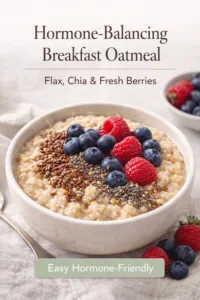
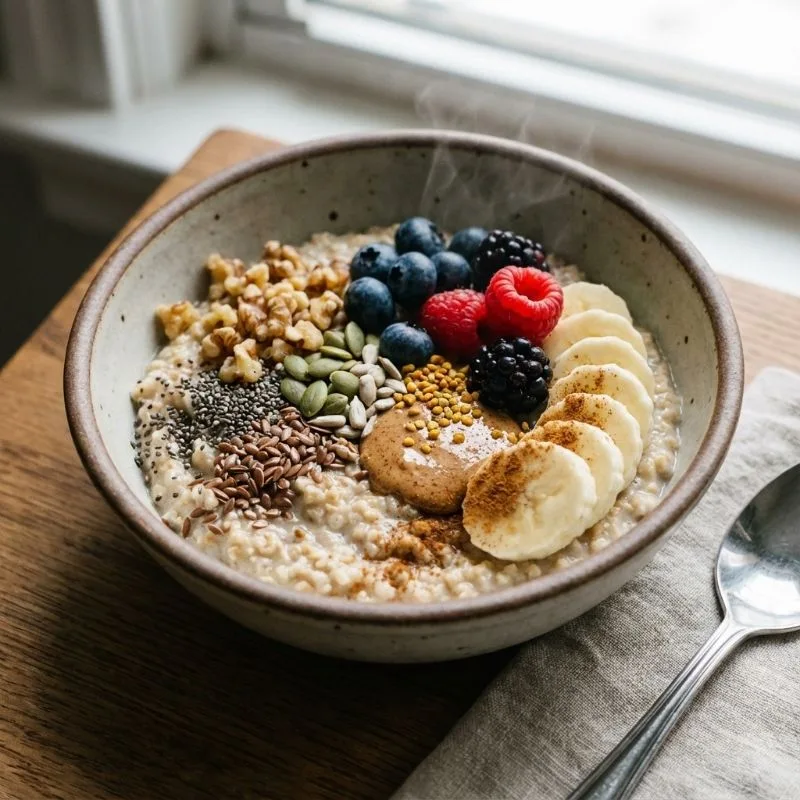
- Add Healthy Fats & Crunch: Top with the berries, pumpkin seeds, and a dollop of almond butter. The combination of protein, fiber, and healthy fats is the secret to keeping your hormones happy and your hunger at bay.
- Enjoy: Serve warm and enjoy the steady energy it provides all morning!
Notes
The Physiological Impact of Breakfast on the Endocrine System
When considering the physiological impact of your morning meal, it is essential to recognize that the endocrine system is highly sensitive to glucose fluctuations. Specifically, the relationship between insulin and cortisol is the primary driver of hormonal health. Research conducted on hormonal health basics at Healthline suggests that chronic insulin spikes can lead to downstream imbalances in estrogen, progesterone, and testosterone. Furthermore, an improper breakfast choice—such as high-sugar cereals or refined pastries—can trigger a “cortisol-insulin trap,” where elevated blood sugar leads to high insulin, followed by a sugar crash that signals the adrenals to release cortisol.
Consequently, shifting your focus toward a Hormone-Balancing Breakfast Oatmeal provides a biological anchor. This dish is not merely a source of satiety; it is a therapeutic tool designed to facilitate a slow, steady release of energy. By prioritizing complex carbohydrates and high fiber hormone health, you are essentially telling your body that it is in a safe, nourished state. Moreover, this feeling of “metabolic safety” is crucial for women dealing with PCOS, perimenopause, or thyroid dysfunction, as it prevents the stress response that often accompanies caloric restriction or poor nutrient density.
The Science of Blood Sugar: How Oats Stabilize Insulin and Prevent Cortisol Spikes
The primary functional component of the Hormone-Balancing Breakfast Oatmeal is beta-glucan, a type of soluble fiber. Scientific studies archived on PubMed regarding Beta-glucans demonstrate that these fibers create a viscous gel in the digestive tract. This gel slows the absorption of glucose and cholesterol, thereby preventing the sharp insulin spikes that characterize insulin resistance breakfast oats. Additionally, because the digestion process is prolonged, the hunger hormone, ghrelin, remains suppressed for longer durations.
Transitioning into a state of insulin sensitivity is particularly vital for those seeking cortisol lowering breakfast recipes. When blood sugar is stable, the adrenal glands are not forced to overproduce cortisol to mobilize glucose from the liver during a “crash.” Furthermore, the presence of magnesium in whole-grain oats acts as a natural relaxant for the nervous system. By consuming a Hormone-Balancing Breakfast Oatmeal, you are providing the body with the mineral cofactors necessary for over 300 enzymatic reactions, including those that regulate sleep and stress. Therefore, the consistent consumption of this breakfast can lead to improved mood stability and reduced anxiety throughout the day.
Ingredient Deep Dive: Why Specific Seeds, Fats, and Fibers are Non-Negotiable
To create the most effective Hormone-Balancing Breakfast Oatmeal, one must look beyond the oat itself. While the grain provides the base, the additives provide the hormonal “medicine.”
1. The Power of Lignans and Seed Cycling
Incorporating specific seeds is essential for an estrogen dominance diet breakfast. Flaxseeds and pumpkin seeds contain lignans, which are phytoestrogens that can bind to estrogen receptors. Depending on your body’s needs, they can either provide a mild estrogenic effect or block more potent, harmful xenoestrogens. This is why a seed cycling oatmeal recipe is often recommended for women with irregular cycles or PCOS.
2. Essential Fatty Acids for Hormone Synthesis
Steroid hormones, including estrogen and progesterone, are synthesized from cholesterol. Consequently, adding healthy fats like walnuts, chia seeds, or hemp hearts to your Hormone-Balancing Breakfast Oatmeal is non-negotiable. These fats provide the building blocks for hormone production and support brain health, which is vital for managing “menopause brain fog.” To further support your journey, consider how a menopause-friendly sparkling pomegranate mocktail can add additional antioxidants to your evening routine.
3. Fiber and Estrogen Metabolism
Fiber is the body’s primary vehicle for excreting “used” hormones. Research by the NIH on fiber and estrogen metabolism indicates that a high-fiber diet can significantly reduce the risk of estrogen-driven conditions. When you consume a Hormone-Balancing Breakfast Oatmeal, the insoluble fiber helps move waste through the digestive tract, ensuring that estrogen is not reabsorbed into the bloodstream.
The Recipe: Ultimate Hormone-Balancing Breakfast Oatmeal
This recipe utilizes a combination of US and Metric units to ensure precision for global readers. It is designed to be the definitive Hormone-Balancing Breakfast Oatmeal for daily use.
-
Prep time: 5 minutes
-
Cook time: 15 minutes
-
Servings: 1
Ingredients:
-
Base: 1/2 cup (approx. 45g) Steel-cut oats or Gluten-free thick-rolled oats.
-
Liquid: 1 cup (240ml) Filtered water and 1/2 cup (120ml) Unsweetened almond or coconut milk.
-
Hormone Boosters: 1 tbsp (7g) Ground flaxseeds, 1 tbsp (8g) Pumpkin seeds (pepitas), and 1 tbsp (15g) Almond butter.
-
Spice & Stability: 1/2 tsp Ceylon cinnamon and 1 pinch of Sea salt.
-
Fiber Addition: 1/2 cup (75g) Fresh raspberries or blueberries.
-
Protein Optional: 1 scoop (approx. 10g) Collagen peptides or 2 tbsp hemp hearts.
Step-by-Step Instructions:
-
Prepare the Liquid Base: In a small saucepan, combine the 1 cup (240ml) of filtered water and 1/2 cup (120ml) of nut milk. Bring to a gentle simmer over medium heat.
-
Incorporate the Oats: Add the 1/2 cup (45g) of oats and the pinch of sea salt. Reduce the heat to low. If using steel-cut oats, allow them to simmer for 15-20 minutes; for rolled oats, 8-10 minutes is sufficient.
-
The “Hormone Infusion”: Once the oats have reached a creamy consistency, stir in the Ceylon cinnamon and the ground flaxseeds. The flaxseeds will help thicken the Hormone-Balancing Breakfast Oatmeal while providing lignans for estrogen balance.
-
Add Healthy Fats: Stir in the 1 tbsp of almond butter. Ensure it is fully melted and incorporated to provide the necessary lipids for hormone synthesis.
-
Assemble the Toppings: Remove the pan from the heat. Transfer the oatmeal to a bowl and top with the fresh berries and pumpkin seeds. Consequently, the crunch of the seeds adds texture while the berries provide antioxidants.
-
Final Flourish: If you require extra protein, stir in the collagen peptides at the very end to prevent clumping. Serving this immediately ensures the best texture.
Customization: Follicular vs. Luteal Phase (Seed Cycling)
Adapting your Hormone-Balancing Breakfast Oatmeal to your menstrual cycle is a sophisticated way to support the endocrine system. This practice, known as seed cycling, involves rotating seeds to match the fluctuating needs of estrogen and progesterone.
-
Follicular Phase (Days 1–14): During the first half of your cycle, the goal is to support estrogen production. Use 1 tbsp each of flaxseeds and pumpkin seeds in your Hormone-Balancing Breakfast Oatmeal. These seeds contain zinc and lignans which help prepare the body for ovulation.
-
Luteal Phase (Days 15–28): In the second half, the focus shifts to progesterone. Switch your seeds to 1 tbsp each of sesame seeds and sunflower seeds. These are rich in selenium and Vitamin E, which are critical for corpus luteum health.
Additionally, for those who are post-menopausal, a consistent blend of flax and pumpkin seeds is generally recommended to provide ongoing estrogen support. For a cooling treat after a warm breakfast, you might enjoy a hot flash frozen cranberry pavlova later in the afternoon.
Scientific Evidence: Beta-Glucans and Lignans in Depth
The efficacy of the Hormone-Balancing Breakfast Oatmeal is heavily supported by peer-reviewed literature. Beta-glucans have been shown to modulate the immune system and improve the gut microbiome. Since a large portion of hormone metabolism occurs in the gut (the “estrobolome”), a healthy microbiome is essential for preventing estrogen dominance.
Furthermore, lignans found in the flaxseeds of this Hormone-Balancing Breakfast Oatmeal have been studied for their role in breast health and cardiovascular protection. According to data from the NIH, lignans can interfere with the enzymes involved in estrogen metabolism, potentially lowering the risk of hormone-sensitive cancers. Therefore, this breakfast is not just about weight management; it is a long-term strategy for disease prevention and complex carbohydrates for endocrine health.
Mistakes to Avoid: High-Sugar Toppings that Ruin Balance
Even a well-intentioned Hormone-Balancing Breakfast Oatmeal can be sabotaged by poor topping choices. To maintain hormonal equilibrium, you must avoid the following:
-
Dried Fruits: Raisins and dried cranberries are concentrated sources of sugar that can lead to insulin spikes.
-
Honey and Maple Syrup: While “natural,” these sweeteners still impact blood glucose. Rely on cinnamon and berries for flavor instead.
-
Instant Oatmeal Packets: These are often pre-sweetened and highly processed, losing much of the fiber benefit.
-
Too Much Caffeine: Pairing your oats with excessive coffee can spike cortisol, negating the “calming” effects of the magnesium in the oats.
Instead, if you crave a sweet treat, opt for healthy gluten-free cranberry bliss bars later in the day, which use more stable sweeteners.
FAQ Section: Optimized for Hormone Health
Is Hormone-Balancing Breakfast Oatmeal good for PCOS?
Yes, it is excellent. Because oats are a low-glycemic complex carbohydrate, they help manage the insulin resistance that is common in PCOS. By adding fiber and protein, you ensure that your blood sugar remains stable, which can help reduce androgen levels.
Can I make this as overnight oats?
Absolutely. Preparing your Hormone-Balancing Breakfast Oatmeal as “overnight oats” can actually increase the amount of resistant starch, which is even better for gut health and insulin sensitivity. Simply soak the ingredients in the fridge overnight and eat them cold or warmed up.
What if I am sensitive to grains?
For those who cannot tolerate oats, a “n-oatmeal” using hemp hearts, chia seeds, and flax meal can provide a similar texture and all the hormonal benefits without the grain.
Should I add protein powder to my oatmeal?
Adding protein is a great way to balance the carbohydrates. However, ensure your protein powder is free from artificial sweeteners like sucralose, which can disrupt the gut microbiome.
Conclusion: Reclaiming Your Vitality
In conclusion, the Hormone-Balancing Breakfast Oatmeal is more than just a trend; it is a scientifically-backed approach to metabolic and endocrine wellness. By focusing on beta-glucans, seed cycling, and healthy fats, you provide your body with the tools it needs to thrive. This morning ritual creates a ripple effect, leading to better energy, improved mood, and long-term health.
As you continue your journey toward balance, remember that consistency is key. While one bowl of oats is beneficial, a lifetime of hormone-conscious eating is transformative. For those evenings when you want something more indulgent but still hormone-aware, consider a menopause-friendly cheeseburger alfredo pasta or perhaps start your dinner preparation with roasted sweet potatoes for menopause to keep your fiber intake high. Your hormones are the messengers of your body; treat them with the respect they deserve by starting your day with the right fuel.