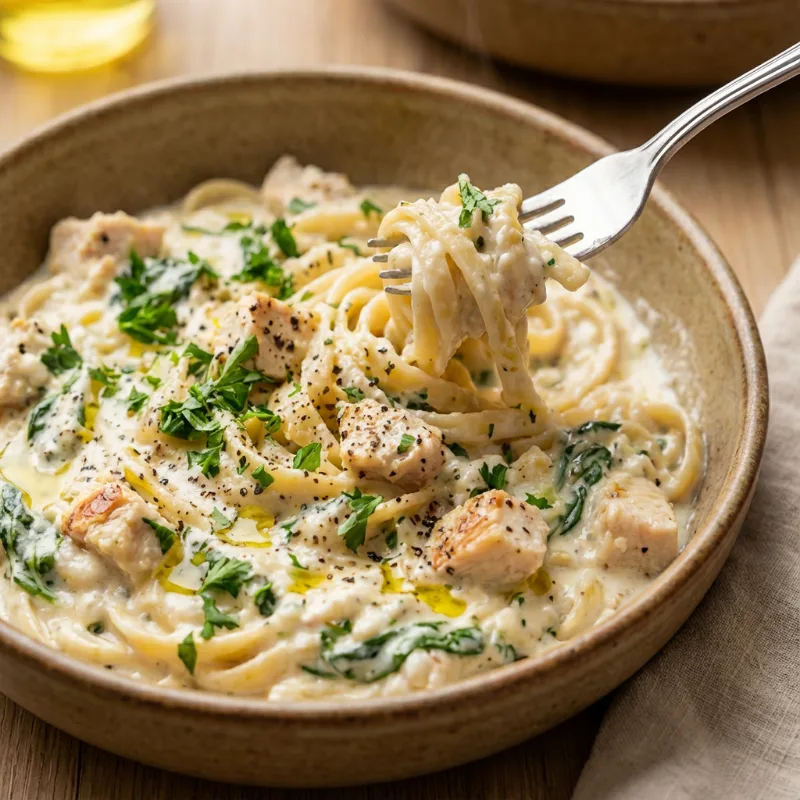
The culinary world has witnessed a significant shift toward functional nutrition and high-protein alternatives recently. Among these innovations, the rise of the blended cottage cheese pasta sauce stands out as a genuine game-changer. This Healthy Cottage Cheese Chicken Alfredo represents the pinnacle of this trend, offering a luxurious texture without the heavy saturated fats found in traditional cream-based sauces.
For many home cooks, the idea of using cottage cheese as a sauce base might seem unusual at first. Nevertheless, when processed correctly, it transforms into a silky, savory foundation that perfectly coats every strand of pasta. This version of Cottage Cheese Chicken Alfredo allows you to enjoy a comforting dinner while simultaneously meeting your rigorous daily protein requirements.
Furthermore, this dish serves as a nutritional bridge for those transitioning to a healthier lifestyle. It maintains the nostalgic flavor profile of classic Italian-American comfort food but optimizes it for metabolic health. Consequently, you can satisfy your cravings for a creamy dish without experiencing the lethargy often associated with high-fat pasta meals.

Ingredients
Method
- Cook the Pasta: Bring a large pot of salted water to a boil. Cook the pasta according to the package directions until al dente. Important: Before draining, scoop out at least 1 cup of the starchy pasta water and set it aside. Drain the pasta and return it to the pot.
- Blend the Sauce Base: While the pasta is cooking, place the cottage cheese, garlic powder, onion powder, salt, and pepper into a blender or food processor. Blend on high for 1–2 minutes until completely smooth and liquid—ensure there are no lumps left!
- Cook the Chicken: Heat the olive oil in a large skillet over medium-high heat. Season the chicken with a little salt and pepper, then sauté until golden brown and cooked through (about 5–7 minutes). Remove the chicken from the skillet and set aside.
- Aromatics: In the same skillet, reduce the heat to medium-low and add the minced garlic. Sauté for about 30 seconds until fragrant, being careful not to let it burn.
- Assemble the Sauce: Pour the blended cottage cheese mixture into the skillet with the garlic. Stir in the grated Parmesan cheese and about 1/4 cup of the reserved pasta water.
- Emulsify: Stir constantly over low heat until the cheese is melted and the sauce is heated through. Note: Do not let the sauce come to a rolling boil, as cottage cheese can curdle at very high temperatures.
- Combine: Add the cooked pasta and chicken back into the skillet. Toss everything together until well-coated. If the sauce is too thick, add more pasta water, one tablespoon at a time, until you reach a silky, creamy consistency.
- Serve: Taste and adjust seasoning with extra salt or pepper. Serve immediately, garnished with plenty of fresh parsley and an extra sprinkle of Parmesan.
- Pro-Tip: For the smoothest sauce, make sure your cottage cheese is at room temperature before blending. If you want to add some volume, stir in some steamed broccoli or sautéed mushrooms at the very end!
Why Choose Cottage Cheese Over Heavy Cream?
Traditional Alfredo sauce relies heavily on butter, heavy cream, and mountains of cheese to achieve its iconic consistency. While delicious, this combination is calorie-dense and lacks significant protein diversity. In contrast, using a blended cottage cheese pasta sauce provides a high-protein dinner idea that supports weight management and muscle maintenance.
According to the USDA FoodData Central nutritional database, cottage cheese is exceptionally rich in casein protein. This slow-digesting protein ensures a steady release of amino acids into your bloodstream, which is vital for long-term satiety. Additionally, cottage cheese is significantly lower in calories per ounce than heavy cream or butter.
By making this simple swap, you are drastically reducing the lipid load of your meal. Furthermore, cottage cheese provides essential micronutrients like calcium and Vitamin B12. Choosing Cottage Cheese Chicken Alfredo over the standard version means you are prioritizing your cellular health as much as your taste buds.
The Science of Satiety: Why High-Protein Meals Prevent Overeating
Understanding the science of satiety is crucial for anyone focused on weight loss or muscle gain. Protein is widely recognized as the most satiating macronutrient because it influences the hormones that signal fullness to the brain. Specifically, a high-protein meal increases the production of cholecystokinin (CCK) and glucagon-like peptide-1 (GLP-1).
Research cited by the Academy of Nutrition and Dietetics suggests that increasing protein intake can lead to a natural reduction in daily caloric consumption. Because Cottage Cheese Chicken Alfredo is packed with lean chicken and protein-dense cheese, it helps prevent late-night snacking. Consequently, you feel satisfied for hours after your meal concludes.
Furthermore, the health benefits of lean chicken protein include providing a complete amino acid profile necessary for tissue repair. When you combine this with the slow-digesting properties of the cottage cheese base, you create a metabolic environment that favors muscle preservation. This is particularly beneficial for those following macro friendly pasta recipes to support an active lifestyle.
Essential Ingredients for Cottage Cheese Chicken Alfredo
Success in the kitchen begins with selecting high-quality components. Because this recipe is streamlined, each ingredient must work hard to deliver maximum flavor.
The Lean Protein Source
You should select high-quality, organic chicken breasts for this recipe. Lean chicken provides the necessary volume and texture without adding excessive fat. Furthermore, properly seasoning the chicken with garlic powder, salt, and pepper is essential for building layers of flavor.
The Creamy Base
Opt for a 2% or 4% fat cottage cheese rather than a fat-free version. The small amount of fat in these varieties ensures a smoother emulsion and a richer mouthfeel. Additionally, full-fat cottage cheese often contains fewer additives and stabilizers than fat-free alternatives.
The Flavor Enhancers
Freshly grated Parmesan cheese is a non-negotiable component. Pre-shredded varieties often contain potato starch or cellulose to prevent clumping, which can lead to a grainy Cottage Cheese Chicken Alfredo. Moreover, fresh garlic and a splash of lemon juice add a brightness that balances the richness of the dairy.
Step-by-Step Cooking Guide for Maximum Flavor
Creating a restaurant-quality Cottage Cheese Chicken Alfredo requires attention to detail during the preparation and cooking stages.
Prepping the Protein
Begin by slicing your chicken breasts into even, bite-sized pieces. This ensures that every piece cooks at the same rate and remains juicy. Heat a large skillet over medium-high heat with a small amount of olive oil. Sear the chicken until it is golden brown on all sides and cooked through. Once finished, remove the chicken from the pan and set it aside to rest.
Crafting the Sauce
While the chicken is cooking, add your cottage cheese to a high-speed blender. Add the Parmesan cheese, garlic, lemon juice, and a pinch of salt. Blend on the highest setting until the mixture is completely liquid and looks like heavy cream. This blending process is the most important step for achieving a guilt-free creamy pasta.
Bringing it All Together
Cook your choice of pasta—whether traditional, whole wheat, or gluten-free—until it is just shy of al dente. Reserve about a half-cup of the starchy pasta water before draining. Return the pasta and the chicken to the skillet over very low heat. Pour the blended sauce over the top and stir gently. If the sauce is too thick, gradually add the reserved pasta water to reach your desired consistency.
The Secret to a Smooth Cottage Cheese Chicken Alfredo
The primary concern many people have when making a blended cottage cheese pasta sauce is the risk of the sauce breaking or turning grainy. This usually happens when the sauce is exposed to excessive heat. Cottage cheese contains proteins that can tighten and separate if they reach a boiling point.
To prevent this, you must always incorporate the sauce over low heat. Furthermore, you should never let the sauce boil once it has been blended. Consequently, the residual heat from the pasta and the chicken is often enough to warm the sauce through. This technique ensures that your Cottage Cheese Chicken Alfredo remains velvety and appealing.
Additionally, ensuring your cottage cheese is at room temperature before blending can help create a more stable emulsion. Cold dairy hitting a hot pan can cause an immediate temperature shock, leading to separation. By taking these small precautions, you will produce a weight loss chicken pasta that looks as good as it tastes.
Customization and Dietary Swaps for Every Lifestyle
One of the best aspects of this Cottage Cheese Chicken Alfredo is its adaptability. Depending on your dietary needs, you can easily modify the components to fit your specific goals.
Low-Carb and Grain-Free Options
If you are looking for a lower-calorie alfredo sauce experience, you can swap traditional pasta for zucchini noodles (zoodles) or spaghetti squash. These vegetable-based alternatives drastically reduce the carbohydrate count while increasing your fiber intake. Additionally, hearts of palm pasta is a fantastic option for those who want a texture closer to real noodles.
Adding Nutrient-Rich Greens
To increase the volume of the meal without adding many calories, consider tossing in a handful of fresh spinach or steamed broccoli. Furthermore, these greens add essential vitamins and antioxidants that support overall hormone health. This approach aligns well with a hormone balancing breakfast oatmeal recipe strategy for eating well throughout the day.
Spice and Aromatics
For those who enjoy a bit of heat, adding red pepper flakes to the chicken during the searing process can elevate the dish. Moreover, using fresh herbs like parsley or basil as a garnish provides a fresh contrast to the creamy Cottage Cheese Chicken Alfredo.
Internal Link Integration and Holistic Wellness
Healthy eating is a journey that involves more than just one meal. Integrating Cottage Cheese Chicken Alfredo into your weekly routine is a great step toward metabolic health. However, consistency across all your meals is the real key to success.
If you enjoy the creaminess of this alfredo, you might also find satisfaction in a menopause-friendly cheeseburger alfredo pasta. This dish uses similar high-protein principles to provide comfort without the health drawbacks of traditional fast food.
Furthermore, if you are focusing on reducing systemic inflammation, you might consider alternating your pasta nights with an anti-inflammatory lentil stew. Balancing your protein sources with legumes and vegetables is an excellent way to support long-term wellness. Additionally, following a meal like this with an anti-inflammatory golden milk recipe can help soothe your digestive system before bed.
For those who prefer a bit of spice in their meal prep, buffalo chicken stuffed peppers offer another way to enjoy lean protein and fiber. If you find yourself craving a hearty, warming meal on a cold evening, a ginger sweet potato and coconut milk stew is a fantastic anti-inflammatory option that complements your high-protein goals.
Nutritional Breakdown per Serving
When tracking your macros, accuracy is essential. Below is an approximate nutritional profile for one serving of this Cottage Cheese Chicken Alfredo (based on 2 oz of dry pasta and 4 oz of chicken):
-
Calories: 410 kcal
-
Protein: 45g
-
Total Fat: 9g
-
Total Carbohydrates: 38g
-
Fiber: 2g
-
Sugars: 4g
As you can see, this meal is a protein powerhouse. In contrast to a standard restaurant Alfredo, which can contain over 1,000 calories and 60 grams of fat, this version is a clear winner for anyone focused on health. Consequently, you can enjoy a large portion of Cottage Cheese Chicken Alfredo while staying within your daily caloric budget.
Meal Prep and Storage for Busy Professionals
This recipe is an excellent candidate for meal prep. Because the sauce is stabilized by the blended cottage cheese, it holds up better than many cream-based sauces.
Proper Storage
Store your leftover Cottage Cheese Chicken Alfredo in an airtight container in the refrigerator for up to three days. To keep the chicken tender, try to store it covered in a bit of the sauce to prevent it from drying out.
Reheating Techniques
Reheating is the stage where many high-protein pasta sauces fail. To avoid a grainy texture, do not use the high setting on your microwave. Instead, reheat the pasta on medium power in 30-second intervals. Additionally, add a teaspoon of water or milk to the container before heating to help loosen the sauce.
Alternatively, you can reheat the Cottage Cheese Chicken Alfredo in a skillet over low heat. Add a splash of liquid and stir constantly until it is just warmed through. This method is the best way to maintain the silky texture of the blended cottage cheese pasta sauce.
Comprehensive FAQ for Cottage Cheese Chicken Alfredo
Can I freeze this pasta sauce?
It is not recommended to freeze the fully assembled Cottage Cheese Chicken Alfredo. Dairy-based sauces, especially those made with cottage cheese, can become watery or grainy once thawed and reheated. However, you can freeze the cooked chicken separately.
Which cottage cheese is best for this recipe?
For the best results, use a small-curd cottage cheese with at least 2% milkfat. This provides the best balance of protein and creaminess. Avoid “no-fat” varieties as they often lack the necessary texture for a smooth sauce.
Can I make the sauce without a blender?
Unfortunately, no. The blender is what breaks down the curds and creates that smooth, Alfredo-like consistency. A food processor can also work, but a high-speed blender is the superior tool for this task.
Is this recipe gluten-free?
This Cottage Cheese Chicken Alfredo is naturally gluten-free if you use a certified gluten-free pasta or a vegetable alternative like zoodles. The sauce itself is naturally gluten-free as it does not require a flour-based roux.
Conclusion: Embracing High-Protein Comfort Food
The era of choosing between “healthy food” and “tasty food” is finally over. By utilizing smart swaps like the one found in this Cottage Cheese Chicken Alfredo, you can enjoy the dishes you love without compromising your health goals. This recipe proves that a high protein dinner idea can be just as decadent and satisfying as any traditional Italian classic.
Furthermore, the versatility of this sauce opens the door to countless other macro friendly pasta recipes. Once you master the technique of blending cottage cheese for sauces, you can apply it to marinara, pesto, or even mac and cheese. Consequently, you will have a powerful tool in your culinary arsenal to help you stay on track with your nutritional needs.
We encourage you to try this Cottage Cheese Chicken Alfredo tonight. Whether you are fueling for a workout or just looking for a better way to feed your family, this dish provides the perfect balance of flavor, nutrition, and comfort. Remember that health is a series of small, delicious decisions made every day. Choosing a protein-packed, nutrient-dense Alfredo is a decision your body will surely thank you for.